During this week’s episode of VALUE: After Hours Podcast, Taylor, Brewster, and Carlisle discuss Bill Nygren’s $1,000 Comp Number For Netflix Subscribers:
Tobias Carlisle: Let’s start with what’s Bill Nygren’s take on Netflix?
Bill Brewster: He’s using HBO as the comp for the Netflix valuation where AT&T purchased, what is it a Warner, for approximately $1,000 a sub, right? No, our guy fell. That’s terrible. Oh well, so those on YouTube, at least Jake and I are in the Christmas spirits still.
Bill Brewster: Anyway, his whole thesis is the takeout value based on the AT&T transaction for Netflix is approximately $1,000 a sub. I just think it’s important for people to think for themselves on this. I sort of understand why in Barron’s, Mr. Nygren’s using that as an easy pitch. But if you look at the Recode conference that Michael Nathanson did, he talks about HBO and Disney having brands that create spend efficiency.
Bill Brewster: Matt Ball recently, I think he’s about to change the way that people talk about Netflix and he said, “I find it bizarre that people have criticized Disney pluses. One to two point billion original content budget is being laughable in today’s streaming wars. Putting aside the strength of Disney’s library, this 1 to 2 billion spend is probably several times more impactful per dollar than the 1 to 2 billion that would be spent by Netflix. And HBO is one and a half billion in original programming is modest compared to Netflix is 10 billion, but they generate equivalent Emmy nominations and I am the beep traffic.” I just think it’s sort of interesting. You read Barron’s and it’s a neatly packaged pitch, but you look a little bit deeper and AT&T history of acquisitions leaves a little bit to be desired and the efficiency that HBO and Disney have to acquire customers and put it out the distribution machine. There are different businesses. I don’t think that you can say that their comps.
Bill Brewster: Why are the different businesses?
Tobias Carlisle: Well, I think HBO traditionally, at least as I perceive what AT&T wants to do with that asset, you probably got a higher income base. They were traditionally distributed through a cable package. Now, AT&T can sort of bundle it with their wireless or total bundle offering and AT&T, it sort of makes AT&T’s distribution system more efficient. Right? As opposed to Netflix who has to produce content to keep people hooked to keep them watching. It’s just a very, in my mind, a different: a. Business model and b. Reason for owning the content. Plus, Netflix is global. HBO only really has the rights in the US so it’s just not, in my mind-
Tobias Carlisle: Don’t they converge over time?
Bill Brewster: Well, I think longterm, it’ll be interesting to see how HBO or HBO Max actually performs. I would not be shocked to see HBO distributed through Netflix in the very long term, but medium term, I could see it being a real problem.
Tobias Carlisle: I think it’s funny the way… I know that Netflix spends a lot of money, but I don’t see a lot of really great shows coming out of that money spend it. If I think about the amount of time that I spent, we would watch HBO much more often than we’d watch Netflix and Disney Plus like Disney’s got one show really. It’s got the Mandalorian, which that’s hitting south pretty quickly. I think Bill Burr dropping the alien was a big, was the highlight of like the last two weeks.
Bill Brewster: Well, I think that you could say that is sort of what Netflix is really good at. Right? Even if a lot of the content isn’t great per se, they are very good at continuing to release content. Now, it comes at the cost of free cash flow.
Jake Taylor: How? Yeah. I mean you could probably do a pretty good job if I wrote you a check for 15 billion a year to spend on just go make stuff. Right?
Tobias Carlisle: Would you make The Irishman if you hit that much money?
Bill Brewster: I did not like The Irishman.
Tobias Carlisle: No, not a at all.
Jake Taylor: I didn’t even bother watching it after hearing all the people can’t get that life back, those three hours.
Tobias Carlisle: I was prepared to watch it because I kind of like Scorsese. I like all those guys. I love Main Streets and Godfather and Casino, all that stuff. I’m the kind of person who would watch it and enjoy it. I just couldn’t… Like DeNiro, it’s just not believable even though they aged. He’s supposed to be 37. They aged him to 57. He still looked old.
Bill Brewster: His walk was still 70.
Tobias Carlisle: He still looked old. Like when he was stomping that guy, I felt bad for the kid. I felt bad for DeNiro. I thought he was going to throw a hip out.
Bill Brewster: Throw his back out. Yeah. It took me a long time to watch. I think I watched it over three nights. I don’t know. I wanted it to be Casino and it just wasn’t, which is probably unfair.
Tobias Carlisle: I saw somebody, it was Tony Greer actually, I’d feel bad calling him out. He said he loved the Irishman, but he hated Once Upon a Time on Wall Street, which I felt the reverse. I loved Once Upon a Time on Wall Street. Once Upon a Time in Hollywood. Sorry.
Bill Brewster: Yeah.
Tobias Carlisle: Freudian slip there. Have you seen it?
Bill Brewster: Yeah and I loved it. I like to think that I can appreciate a good film. Actually, I’ve used that as my example of like, no, I can appreciate film, but I don’t know, the Irishman just didn’t do it for me.
Tobias Carlisle: I didn’t know anything about Once Upon a Time. I watched it all. I was cheering at the end because I had no idea. I don’t want to ruin it for anybody who hasn’t seen it. But, I had this sick feeling the whole way through and I was literally like cheering out loud in the final scene. I loved it so much.
Media Streaming – What Metric Are People Using To Determine Return On Content Spend?
Jake Taylor: That’s an interesting, like what are people using now for different metrics for returns on content spend? You mentioned IMTP, you mentioned traffic. What are people using now instead of actual cash as the marker of success?
Tobias Carlisle: Well, they try to win the awards road. They’ve all tried to win Emmy’s and Oscar things.
Jake Taylor: That doesn’t correlate with actually what people want to watch. Right?
Tobias Carlisle: Maybe it makes you credible for future content.
Bill Brewster: Yeah, I think, I don’t know, we’ll see. AT&T’s probably doing it. They’ll probably measure it return reduction, Disney’s going to argue that it gets you in their ecosystem and create some revenue synergies, I guess.
Tobias Carlisle: Let’s just go back to Nygren’s $1,000-
Jake Taylor: Comp.
Tobias Carlisle: … comp. Yeah. What’s the average revenue per user for a Netflix? Do you have any idea what that is, Bill?
Bill Brewster: Oh, not off the top of my head. I’m not looking at my spreadsheet. You guys have seen the sheet though. It’s quite long.
Tobias Carlisle: What’s everybody paying for?
Jake Taylor: Well, you need it to be that long to get out to where they’re actually making money out into that distant future. It’s a big spreadsheet.
Bill Brewster: Yeah. I don’t know. I think that their cash spend and what they’re bringing in is pretty aligned on a forward user basis. Where I got super nervous at that is when they hit the user hiccup because it got me pretty worried that something in the little algorithm had changed and statistically speaking, it was a pretty big miss. I think there’s-
Jake Taylor: Can you, if I remember right, you said that is, you felt like as long as they were accurate about predicting sub changes, then you felt comfortable with it but then they swung and missed on what they said they were expecting.
Bill Brewster: Yeah. I thought that if they could keep their spend per projected user flat or within a range. Right? I felt like they had the algorithm figured out. That hiccup, my math might be a little wrong, but I thought it was south of two standard deviations. When you’re spending that much, that’s not a cheap stock, right? You don’t have a lot of room for error.
Tobias Carlisle: I got to say in full disclosure, I have been short, but we’re rolling out of the short literally today. I think that the reason, and I’ll just tell you why we’re taking it off, I still think that it’s overvalued and I still think it’s got a lot of trouble. It’s got a lot of issues like big, big negative, free cashflow, lots of debt, lots of competition. It’s just that there are better opportunities out there at the moment. I think it’s really, really beginning to look like a target rich environment for shorts.
Bill Brewster: You’ve been dreaming about this forever.
Tobias Carlisle: Well, I think it’s been-
Jake Taylor: Other than that though, how was the play [inaudible 00:00:11:03]?
Tobias Carlisle: I’ve heard there are lots of investors who I respect who are on the other side too. Lots of investors. Bill being one of them who have been long and I continued to believe in that total addressable market is massive. That SaaS business is going to scale easily. Need to bear some of that in mind that there are pretty good arguments on the other side too. I still think it’s probably kind of a no man’s land at the moment. I don’t want it to be long, but I definitely I don’t want to be short at the moment either.
Bill Brewster: I still think longterm they can win, but I think that there is going to be a lot of pain inflicted between all these streaming platforms. I remain fairly convinced that we’re probably going to see a situation where everybody’s just trying. I watched the Irishman, I turned off the Netflix. I don’t miss it right now. I’ll probably be back at some point.
Tobias Carlisle: Would you know if anything comes on?
Bill Brewster: Yeah. Well, that’s the thing, right? I’m going to watch Disney Plus for a little while and then I’ll go back to Netflix and then maybe I’ll check out HBO Max. I’m just going to turn off all these things.
Tobias Carlisle: Prime is very good. I watch a lot of Prime.
Bill Brewster: I do too. It is pretty good.
Tobias Carlisle: It feels like it’s free because you kind of paying them whatever it is annually so they can send you the packages over or not. All right.
Bill Brewster: The thing about Netflix that’s tough, I think, is they’re US streaming is where a lot of the money is, right? They’re going to try to scale into India with like $3 a month subscriptions. I don’t know how much you can make on $3 a month, but I just think-
Tobias Carlisle: If it’s all margin.
Bill Brewster: Yeah. Once you hit the point where-
Jake Taylor: But it’s not though. Isn’t there… Don’t they have to, aren’t they making content specific for different artists?
Tobias Carlisle: Actually, their local content, I’ve watched some of that Indian content, I think it’s excellent. I think it’s some of the better stuff that I have.
Bill Brewster: Well, what’s interesting that I don’t think maybe people here appreciate, their international competition, at least according to Matt Ball is really not very strong. The way that the rights are split up around the globe. Netflix is sort of the only one that owns all the rights to all their distribution. I think it can work. I just don’t think that you can say, well AT&T who almost objectively overpaid for direct TV and doesn’t have any good history of making great acquisitions is all of a sudden my comp for Netflix. That’s crazy to me. But I’m sure-
Jake Taylor: My condo in 2007 in Las Vegas comped at $1.2 million. So, it must be worth that, right?
Tobias Carlisle: I don’t think. I’m always a little bit skeptical of those kinds of analysis because it’s so hard to compare the two. $1,000 for per sub for Netflix like that’s bullish if you’re talking about $3 monthly gross revenue from some of the folks outside the US.
Bill Brewster: Yeah, well. And then, he said like they’re going to add so many subs and then you multiply it by a thousand so they going to gain like 25 billion of value this year. Well, I don’t know. That’s some funny to add.
Tobias Carlisle: It’s 7.2 billion people in the world with $1,000 per sub. That gets a $7 trillion.
Bill Brewster: That’s exactly right. Now, those guys are super smart, so I bet if you’re sitting in their office, it’s a much more detailed conversation, but-
Jake Taylor: We’re going intergalactic to get the real Tam.
Tobias Carlisle: Netflix is the company on that.
Bill Brewster: That’s right. Yeah.
You can find out more about the VALUE: After Hours Podcast here – VALUE: After Hours Podcast. You can also listen to the podcast on your favorite podcast platforms here:
In this episode of the VALUE: After Hours Podcast, Taylor, Brewster, and Carlisle chat about:
Bill Nygren’s $1,000 Comp Number For Netflix Subscribers – Legitimate Number Or Funny Math?
Michael Green’s Thesis On The Rise Of Passive Investing Causing A Melt-Down
The Investing Version Of Marry, F#&%, Kill – Buy, Trade, Short
Does Michael Burry Still Have It, Or Not?
Why We Didn’t Like ‘The Irishman’
Media Streaming – What Metric Are People Using To Determine Return On Content Spend?
Aubrey McClendon, And That Crash
The Peloton Business Model
You can find out more about the VALUE: After Hours Podcast here – VALUE: After Hours Podcast. You can also listen to the podcast on your favorite podcast platforms here:
Tobias Carlisle: Welcome to Value: After Hours. I’m Tobias Carlisle, as always, I’m joined by Bill Brewster. Bill, what’s your topic this week?
Bill Brewster: We’re going to talk about whether or not the $1,000 comp number for Netflix subscribers is a legit comp or funny math.
Tobias Carlisle: And Jake Taylor, what are you talking about this week?
Jake Taylor: We’re going to be playing a game that’s an investment version of Marry, F, Kill that we call Buy, Trade, Short.
Tobias Carlisle: My topic is Michael Green’s thesis on The Rise of Passive Investing Causing a Melt-up, and then a 1929-style crash. This is a holiday special. We’ll see you right after this.
Jake Taylor: Merry Christmas.
Promo Ad: Tobias Carlisle is the founder of Principal of Acquirers Funds. For regulatory reasons, he will not discuss any of the Acquirers Funds on this podcast. All opinions expressed by podcast participants are solely their own and do not reflect the opinions of Acquirers Funds or affiliates. For more information, visit acquirersfunds.com.
Bill Brewster: It’s quite a way to introduce a holiday special.
Jake Taylor: Yeah, 1929-style crash.
Bill Brewster: And then, there’s going to be just carnage. Happy holidays.
Tobias Carlisle: Let’s start with what’s Bill Nygren’s take on Netflix?
Bill Brewster: He’s using HBO as the comp for the Netflix valuation where AT&T purchased, what is it a Warner, for approximately $1,000 a sub, right? No, our guy fell. That’s terrible. Oh well, so those on YouTube, at least Jake and I are in the Christmas spirits still.
Bill Brewster: Anyway, his whole thesis is the takeout value based on the AT&T transaction for Netflix is approximately $1,000 a sub. I just think it’s important for people to think for themselves on this. I sort of understand why in Barron’s, Mr. Nygren’s using that as an easy pitch. But if you look at the Recode conference that Michael Nathanson did, he talks about HBO and Disney having brands that create spend efficiency.
Bill Brewster: Matt Ball recently, I think he’s about to change the way that people talk about Netflix and he said, “I find it bizarre that people have criticized Disney pluses. One to two point billion original content budget is being laughable in today’s streaming wars. Putting aside the strength of Disney’s library, this 1 to 2 billion spend is probably several times more impactful per dollar than the 1 to 2 billion that would be spent by Netflix. And HBO is one and a half billion in original programming is modest compared to Netflix is 10 billion, but they generate equivalent Emmy nominations and I am the beep traffic.” I just think it’s sort of interesting. You read Barron’s and it’s a neatly packaged pitch, but you look a little bit deeper and AT&T history of acquisitions leaves a little bit to be desired and the efficiency that HBO and Disney have to acquire customers and put it out the distribution machine. There are different businesses. I don’t think that you can say that their comps.
Bill Brewster: Why are the different businesses?
Tobias Carlisle: Well, I think HBO traditionally, at least as I perceive what AT&T wants to do with that asset, you probably got a higher income base. They were traditionally distributed through a cable package. Now, AT&T can sort of bundle it with their wireless or total bundle offering and AT&T, it sort of makes AT&T’s distribution system more efficient. Right? As opposed to Netflix who has to produce content to keep people hooked to keep them watching. It’s just a very, in my mind, a different: a. Business model and b. Reason for owning the content. Plus, Netflix is global. HBO only really has the rights in the US so it’s just not, in my mind-
Tobias Carlisle: Don’t they converge over time?
Bill Brewster: Well, I think longterm, it’ll be interesting to see how HBO or HBO Max actually performs. I would not be shocked to see HBO distributed through Netflix in the very long term, but medium term, I could see it being a real problem.
Tobias Carlisle: I think it’s funny the way… I know that Netflix spends a lot of money, but I don’t see a lot of really great shows coming out of that money spend it. If I think about the amount of time that I spent, we would watch HBO much more often than we’d watch Netflix and Disney Plus like Disney’s got one show really. It’s got the Mandalorian, which that’s hitting south pretty quickly. I think Bill Burr dropping the alien was a big, was the highlight of like the last two weeks.
Bill Brewster: Well, I think that you could say that is sort of what Netflix is really good at. Right? Even if a lot of the content isn’t great per se, they are very good at continuing to release content. Now, it comes at the cost of free cash flow.
Jake Taylor: How? Yeah. I mean you could probably do a pretty good job if I wrote you a check for 15 billion a year to spend on just go make stuff. Right?
Tobias Carlisle: Would you make The Irishman if you hit that much money?
Bill Brewster: I did not like The Irishman.
Tobias Carlisle: No, not a at all.
Jake Taylor: I didn’t even bother watching it after hearing all the people can’t get that life back, those three hours.
Tobias Carlisle: I was prepared to watch it because I kind of like Scorsese. I like all those guys. I love Main Streets and Godfather and Casino, all that stuff. I’m the kind of person who would watch it and enjoy it. I just couldn’t… Like DeNiro, it’s just not believable even though they aged. He’s supposed to be 37. They aged him to 57. He still looked old.
Bill Brewster: His walk was still 70.
Tobias Carlisle: He still looked old. Like when he was stomping that guy, I felt bad for the kid. I felt bad for DeNiro. I thought he was going to throw a hip out.
Bill Brewster: Throw his back out. Yeah. It took me a long time to watch. I think I watched it over three nights. I don’t know. I wanted it to be Casino and it just wasn’t, which is probably unfair.
Tobias Carlisle: I saw somebody, it was Tony Greer actually, I’d feel bad calling him out. He said he loved the Irishman, but he hated Once Upon a Time on Wall Street, which I felt the reverse. I loved Once Upon a Time on Wall Street. Once Upon a Time in Hollywood. Sorry.
Bill Brewster: Yeah.
Tobias Carlisle: Freudian slip there. Have you seen it?
Bill Brewster: Yeah and I loved it. I like to think that I can appreciate a good film. Actually, I’ve used that as my example of like, no, I can appreciate film, but I don’t know, the Irishman just didn’t do it for me.
Tobias Carlisle: I didn’t know anything about Once Upon a Time. I watched it all. I was cheering at the end because I had no idea. I don’t want to ruin it for anybody who hasn’t seen it. But, I had this sick feeling the whole way through and I was literally like cheering out loud in the final scene. I loved it so much.
Jake Taylor: That’s an interesting, like what are people using now for different metrics for returns on content spend? [crosstalk 00:08:03] You mentioned IMTP, you mentioned traffic. What are people using now instead of actual cash as the marker of success?
Tobias Carlisle: Well, they try to win the awards road. They’ve all tried to win Emmy’s and Oscar things.
Jake Taylor: That doesn’t correlate with actually what people want to watch. Right?
Tobias Carlisle: Maybe it makes you credible for future content.
Bill Brewster: Yeah, I think, I don’t know, we’ll see. AT&T’s probably doing it. They’ll probably measure it return reduction, Disney’s going to argue that it gets you in their ecosystem and create some revenue synergies, I guess.
Tobias Carlisle: Let’s just go back to Nygren’s $1,000-
Jake Taylor: Comp.
Tobias Carlisle: … comp. Yeah. What’s the average revenue per user for a Netflix? Do you have any idea what that is, Bill?
Bill Brewster: Oh, not off the top of my head. I’m not looking at my spreadsheet. You guys have seen the sheet though. It’s quite long.
Jake Taylor: Well, you need it to be that long to get out to where they’re actually making money out into that distant future. It’s a big spreadsheet.
Bill Brewster: Yeah. I don’t know. I think that their cash spend and what they’re bringing in is pretty aligned on a forward user basis. Where I got super nervous at that is when they hit the user hiccup because it got me pretty worried that something in the little algorithm had changed and statistically speaking, it was a pretty big miss. I think there’s-
Jake Taylor: Can you, if I remember right, you said that is, you felt like as long as they were accurate about predicting sub changes, then you felt comfortable with it but then they swung and missed on what they said they were expecting.
Bill Brewster: Yeah. I thought that if they could keep their spend per projected user flat or within a range. Right? I felt like they had the algorithm figured out. That hiccup, my math might be a little wrong, but I thought it was south of two standard deviations. When you’re spending that much, that’s not a cheap stock, right? You don’t have a lot of room for error.
Tobias Carlisle: I got to say in full disclosure, I have been short, but we’re rolling out of the short literally today. I think that the reason, and I’ll just tell you why we’re taking it off, I still think that it’s overvalued and I still think it’s got a lot of trouble. It’s got a lot of issues like big, big negative, free cashflow, lots of debt, lots of competition. It’s just that there are better opportunities out there at the moment. I think it’s really, really beginning to look like a target rich environment for shorts.
Bill Brewster: You’ve been dreaming about this forever.
Tobias Carlisle: Well, I think it’s been-
Jake Taylor: Other than that though, how was the play [inaudible 00:00:11:03]?
Tobias Carlisle: I’ve heard there are lots of investors who I respect who are on the other side too. Lots of investors. Bill being one of them who have been long and I continued to believe in that total addressable market is massive. That SAS business is going to scale easily. Need to bear some of that in mind that there are pretty good arguments on the other side too. I still think it’s probably kind of a no man’s land at the moment. I don’t want it to be long, but I definitely I don’t want to be short at the moment either.
Bill Brewster: I still think longterm they can win, but I think that there is going to be a lot of pain inflicted between all these streaming platforms. I remain fairly convinced that we’re probably going to see a situation where everybody’s just trying. I watched the Irishman, I turned off the Netflix. I don’t miss it right now. I’ll probably be back at some point.
Tobias Carlisle: Would you know if anything comes on?
Bill Brewster: Yeah. Well, that’s the thing, right? I’m going to watch Disney Plus for a little while and then I’ll go back to Netflix and then maybe I’ll check out HBO Max. I’m just going to turn off all these things.
Tobias Carlisle: Prime is very good. I watch a lot of Prime.
Bill Brewster: I do too. It is pretty good.
Tobias Carlisle: It feels like it’s free because you kind of paying them whatever it is annually so they can send you the packages over or not. All right.
Bill Brewster: The thing about Netflix that’s tough, I think, is they’re US streaming is where a lot of the money is, right? They’re going to try to scale into India with like $3 a month subscriptions. I don’t know how much you can make on $3 a month, but I just think-
Tobias Carlisle: If it’s all margin.
Bill Brewster: Yeah. Once you hit the point where-
Jake Taylor: But it’s not though. Isn’t there… Don’t they have to, aren’t they making content specific for different artists?
Tobias Carlisle: Actually, their local content, I’ve watched some of that Indian content, I think it’s excellent. I think it’s some of the better stuff that I have.
Bill Brewster: Well, what’s interesting that I don’t think maybe people here appreciate, their international competition, at least according to Matt Ball is really not very strong. The way that the rights are split up around the globe. Netflix is sort of the only one that owns all the rights to all their distribution. I think it can work. I just don’t think that you can say, well AT&T who almost objectively overpaid for direct TV and doesn’t have any good history of making great acquisitions is all of a sudden my comp for Netflix. That’s crazy to me. But I’m sure-
Jake Taylor: My condo in 2007 in Las Vegas comped at $1.2 million. So, it must be worth that, right?
Tobias Carlisle: I don’t think. I’m always a little bit skeptical of those kinds of analysis because it’s so hard to compare the two. $1,000 for per sub for Netflix like that’s bullish if you’re talking about $3 monthly gross revenue from some of the folks outside the US.
Bill Brewster: Yeah, well. And then, he said like they’re going to add so many subs and then you multiply it by a thousand so they going to gain like 25 billion of value this year. Well, I don’t know. That’s some funny to add.
Tobias Carlisle: It’s 7.2 billion people in the world with $1,000 per sub. That gets a $7 trillion.
Bill Brewster: That’s exactly right. Now, those guys are super smart, so I bet if you’re sitting in their office, it’s a much more detailed conversation, but-
Jake Taylor: We’re going intergalactic to get the real Tam.
Tobias Carlisle: Netflix is the company on that.
Bill Brewster: That’s right. Yeah.
Tobias Carlisle: All right. Let’s do my topic, which is Michael Green who has previously been at Thiel Capital. I’m not sure where he is now. I think he might still be at Thiel, I’m just not sure. He’s one of the smartest guys. You can see him on Real Vision interviewing Josh Wolfe and Chris Cole and lots of other guys who are very intelligent. Michael is a very, very smart guy.
Tobias Carlisle: I have heard his thesis about passive investing, which is basically, and I think it’s on Real Vision now and he’s been sharing it for a little while. He has this idea that as passive investing takes up more and more of the market. The ability for active investors to course correct or to push companies that get away from their intrinsic value back to intrinsic value diminishes such that passive takes over and it’s just flows that go to the biggest companies. The big just keep on getting bigger and the companies that don’t receive the flows are left behind. The upshot of all of that is that eventually you get this point where passive takes over the market. I think the tipping point could be 50% and we could be, I think we’re almost there. I’ve seen a few different measures. It could be a little bit lower than that, but there’s some measures that say we could be at 50%.
Tobias Carlisle: At that tipping point, you have this melt-up followed by this 1929-style crash. So just throwing it out to you guys. What do you think of the thesis and what do you think of the likely outcome of that?
Jake Taylor: I find it to be very interesting in that part of the thesis is explained by older investors who are typically more inactive funds, who are selling for perhaps de-risk or even liquefy their portfolio to cover living expenses. They’re being replaced by younger investors. So, there’s a generational gap here that the younger investor is more prone to being a passive investor. We have a natural gradient between who’s selling and who’s buying and what are their styles. That only exacerbates this problem towards passive. I am very curious about how they do this modeling to figure out like where is the escape velocity, where are the singularity where all of a sudden there are no more people providing liquidity and all we have is buyers on the other side and no one, and that that buyer is now totally price insensitive because they’re an index and you end up with just that perfectly approaching full insanity mode. It’s rather shocking actually if you think through it as the way that Michael explained it.
Tobias Carlisle: Just the marginal buyer in order to get the next share that the price goes up. Yeah, the price goes up exponentially. You can look at, there’s some funny charts out there at the moment. If you look at the price at Ford price to earnings on the S&P 500 has gone vertical over the last three to six months in a material way. I don’t know if that’s evidence for what he’s saying, but it’s not disproving what he’s saying.
Jake Taylor: Yeah. Right.
Bill Brewster: I had tweeted out about Greenblatt saying that the S&P was in the top one percentile, or not the S&P, the Russell 2000 is in the top one percentile and the S&P’s in the top, what, 14? I got some pushback with some charts that say that that’s not true. I don’t know how he does his stuff but I have noticed, we’ve had a big re-rating obviously this year.
Bill Brewster: The Michael Green thing is really interesting. I found it fascinating to listen to. The thing I don’t fully understand is the flows go in a proportion to the existing allocation. Right? I don’t understand why active couldn’t set the price and move the proportion that the flows go in at. I could see a scenario, I guess, where if the price gets to a point where active just doesn’t want to take the risk but flows keep coming in because a bunch of people that are just doing passive to do it. I guess I could see a scenario where just flows take the market way out of whack, but I don’t know. Like Jake said, I need to see sort of model.
Jake Taylor: Isn’t it a Gresham’s law of logic though? Where as you drive out the next logical person who sees it getting disconnected from what it’s really worth, now there’s that next person that gets taken out that says, “Well, I don’t think it’s worth this. I’m going to sell to the index.” And then the next person, and eventually we run out of people who are logical and all we have left is the buyer.
Tobias Carlisle: [crosstalk 00:20:22] You run out of lesser fools.
Jake Taylor: There’s no liquidity left.
Tobias Carlisle: You run out of lesser fools.
Jake Taylor: We’ve run out of lesser fools and now there’s no one to provide liquidity because we’ve already driven them out. It’s now it’s all index and now the price can go [ASX methodic 00:20:36] because we don’t have any, there’s no liquidity to, there’s tons of bid, but no shares to be supplied.
Bill Brewster: You’ll see me on the [ASX 00:20:50]. I’ll be having really low [ASX 00:20:48] out there. Right?
Tobias Carlisle: I haven’t said this to-
Bill Brewster: Oh, wait. No, [BIDS 00:00:21:17], I guess. Not [ASX 00:20:54], my bad. Tilde market-maker. But yeah, my whole theory is if he is correct and he’s saying that there’s going to be no liquidity, then you might have to set yourself up as the liquidity provider and just throw out really low bids on these stocks. And if people want to sell, they got to sell to somebody so maybe that’s okay, I don’t know.
Tobias Carlisle: They’ve sold it to the index provider, don’t they? Because there’s a constant bid under these stocks and it’s going to go vertical.
Jake Taylor: Yeah. That’s the part that comes after the vertical and then, you want to be the really low when everyone wants to get out then at that point, that’s when you provide the bid. But in the meantime-
Bill Brewster: Get levered, get along.
Jake Taylor: How, yeah. In the meantime, YOLO, right?.
Bill Brewster: That’s right.
Jake Taylor: It really is a recipe. It’s very easy for me to imagine a scenario where we look back at this time period and go, “What were people thinking? That was so obviously stupid.” Everyone can’t index at the same time. It would never work. And yet, we just kind of do it.
Tobias Carlisle: Michael is going to come on my podcast. It’s a little way away. It’s a couple of months at the moment and so I haven’t said this to him. I sometimes think that finance guys forget that the market… Sorry, I’m just, he doesn’t get a chance to respond to this. He will in due course, but I think they forget that there are, the stock market is not the only thing out there. If undervalued stocks don’t catch a bid. From my perspective, that’s great because I’m going to go around and hoover all of those companies up. I’m relying on the fundamental performance dividends and growth in a book value and so on to generate my return. It’s kind of ideal for me if they don’t, if some of these good companies don’t catch a bid just by virtue of the fact that they’re smaller members of the index, that’s great. Isn’t it? Why is that bad for a fundamental guy?
Jake Taylor: No, it is. It’s setting up to be absolute premium time for a fundamental discretionary investor who can take the pain though of underperforming against an [ASX methodic 00:23:05] index. So really, I think my prescription would be to, if you are measuring yourself, don’t compare yourself to the index probably over the next couple of years and just focus on doing smart things, finding things that are undervalued by those, getting long patients and I think you’ll be rewarded for it. But if you’re trying to keep up with everyone else and that you have FOMO, I think you’re likely to really take it in the shorts.
Tobias Carlisle: There’s a chance that at some stage the dividends just get so material to the most undervalued stocks. There’s private equity and other guys out there. Private equity will take these companies private because they’ve got lots and lots of dry powder. That money’s really cheap. There’ll be able to take them private at a pretty significant premium. II think that would still be a good environment for a value guy.
Bill Brewster: Who might get screwed in that is the people that can’t invest in private equity though, right?
Tobias Carlisle: But, you can invest in a value fund.
Bill Brewster: That’s right, or Biglari Holdings. That’s somebody that doesn’t mind underperforming.
Jake Taylor: It’s a long time horizon.
Bill Brewster: That’s right. You do have to show up to the annual meeting if you do that though. No, I don’t know.
Tobias Carlisle: For those who don’t know, Jake’s a holder of Biglari. Have we discussed it on this podcast before?
Jake Taylor: No, we haven’t and I’m not sure we will. I don’t need that kind of confirmation bias.
Bill Brewster: To be fair, you’re in the green last time we talked about it though.
Jake Taylor: I’m not going to say one way or the other.
Tobias Carlisle: It bottomed around the idea, it’s currently about $115 so there’s a good chance Jake’s in the green.
Bill Brewster: Yeah. We might have to edit all this out.
Tobias Carlisle: I’m not. This stays.
Bill Brewster: Anyway, I think that within value, there’s a premium on capital returns and whether or not management. Like the GameStop thesis, right? Completely rests on whether or not management is going to do the right thing with that money. We’ll see. I think maybe you get more activists that come into these smaller companies that actually start putting management teams in place that care a lot about shareholder return. In that case, from a cashflow basis, yeah.
Jake Taylor: It’s a home run.
Bill Brewster: That’s right. Anyone that’s willing to do that work.
Tobias Carlisle: Or if Michael Burry or an activist can compel GameStop to do the right thing.
Bill Brewster: Yeah, that’s right.
Tobias Carlisle: We hadn’t read this so the topic, Michael Burry. I had at one one week of… A month ago, GameStop had its, it was the best perform stock in mind, little screener. And so I tweeted out, Michael Burry’s still got it and got corrected in the tweets underneath. There are countless responses saying this is a melting ice cube. And then, more recently, it’s fall and it was the biggest loser in the screener. And so I tweeted out, maybe Burry don’t got it no more. I got more responses to that one. I think that argument is still ongoing on Twitter. There are guys duking it out in the comments on that one.
Jake Taylor: In your comments?
Tobias Carlisle: Yeah.
Bill Brewster: I think the kids would say you got pwned on that, right? P-W-N-E-D or whatever. That was very funny to watch from afar.
Tobias Carlisle: [crosstalk 00:26:37] I got both ways.
Bill Brewster: Talkies get lit up on this.
Tobias Carlisle: It’s funny though. It’s so polarizing. Each tweet is like, if people are angry for each tweet, for what it’s worth, I believe that Burry hasn’t lost it. I think he’s still got it. I think that GameStop’s going to work out, but we’re well below water on that one.
Bill Brewster: Well, the question is, are they going to buy in all the shares? Are they going to at some point give a special dividend? In my mind, even their last earnings call to me was sort of like, “Okay, we’re using the working capital shrinkage to buy the shares and then we got one more good console cycle in us.” And it’s like okay, well, what then? Right? I don’t know. It’ll be interesting to see.
Tobias Carlisle: OJ Renick is the anchor on the TD Ameritrade show. He had this interesting take where he was like, they need to turn these things into like a Starbucks land party. Remember when you were a kid and everybody bring their computers and hook them all up and you can play games against each other. That’s actually a brilliant idea. I said to him that’s a blockbuster idea.
Jake Taylor: Solid.
Tobias Carlisle: Yeah. Thanks. But, I actually do think it’s a good idea. I think it’s kind of interesting, maybe people do want to go here. Maybe people want to go to a place and hang out and talk games and not buy drinks and things while they’re there. Not necessarily to buy games, just a meeting place.
Bill Brewster: I think that can work. You know, living the GameStop lifestyle, we’ll have the restoration hardware lifestyle, the Starbucks lifestyle, the GameStop lifestyle. But, I think you got to make the stores much bigger.
Tobias Carlisle: Yeah.
Bill Brewster: Like nobody, those GameStop stores suck. I don’t want to go in and hang out there. If you had huge TVs and a very cool setup, I could see wanting to go in and play a game with other people.
Jake Taylor: If Capital One wants to sell me a coffee while also trying to get me to open a credit card, like why not? Why not GameStop?
Bill Brewster: That’s right.
Tobias Carlisle: I do that in Omaha. We went and checked that one out in Omaha.
Bill Brewster: There’s one here in Chicago. I thought about opening a credit card. I didn’t-
Jake Taylor: [crosstalk 00:28:47] For a latte.
Bill Brewster: … but I thought about it. That’s right. Yeah.
Tobias Carlisle: You’re coming up on the cafe and you’re peaking on the cafe and everything looked good in the world.
Bill Brewster: That’s right. We’ll give you a $3 coffee and 21% APR. How’s that sound? I don’t know, I’m so tweaked.
Jake Taylor: That was one of Cialdini’s things was get people caffeinated, wasn’t it?
Tobias Carlisle: I don’t know, but it works on me.
Bill Brewster: It’s definitely, you got some reciprocity thing, right? You give me a small coffee, I’ll just run my balance up. You can’t lose.
Tobias Carlisle: Jake, what’s your topic?
Jake Taylor: Well, in the name of the holidays, I thought it’d be fun to play a game. There’s this kind of fun game that you can play that’s called Marry, F, Kill, the F being you know what you think it is.
Bill Brewster: Yeah, we get it.
Jake Taylor: Typically, you play it with celebrities. You’ll name three different celebrities and then you have to decide which one would you marry? Which one would you F and which one would you kill? We’re going to adapt it to be Buy, Trade, Short. You have to make a decision now on the first one is buy. This is a single security-
Bill Brewster: That’s marry, that’s marry.
Jake Taylor: That’s marry, yes. You have to buy it at today’s price and you have to hold it for 30 years. You also have to assign X percent of your net worth to it. Let’s start with that one.
Tobias Carlisle: Just before we do it. Can I give you my predictions for what everybody says?
Jake Taylor: Yeah.
Tobias Carlisle: I think buy, everybody says Berkshire.
Jake Taylor: Yeah.
Bill Brewster: [crosstalk 00:30:28] No, I’m not going to go there. I’m going to someplace.
Tobias Carlisle: I think so. Everybody says Tesla, I know that that one’s going to happen, but trade is kind of up in the air. GameStop.
Jake Taylor: It’s actually interesting. It’s actually very difficult. I’ll tell you the rules of the trade after we go through the buy first.
Tobias Carlisle: What’s your buy though?
Bill Brewster: I think I’m probably going to buy LVMH.
Jake Taylor: Interesting.
Bill Brewster: That might be really stupid. This might be peak luxury, peak quality, but they perform pretty strong through the downturn. You’ve got an emerging market that’s getting wealthier over time that got a lot of brands that people want to peacock with. I don’t see that going out of style. I think that might be where I go with this.
Jake Taylor: Is that like buying the cake manufacturer that makes the cake specially for other Royal family right before the French revolution?
Bill Brewster: Yeah, it could be. I was talking to my buddy, Tieso, the science of hitting investing and he was saying that. I was like, “Well, you know luxury, you just don’t have to invest a whole lot. You can push price mid single digits and you got EM.” And he said, “Yeah, that sounds a lot like CPG five years ago.”
Tobias Carlisle: Yeah.
Jake Taylor: Ouch.
Tobias Carlisle: That’s hard.
Bill Brewster: Yeah. That’s very true.
Tobias Carlisle: I’m going to say Berkshire just because I know you want to say Jake. Maybe not. I don’t know. Yeah, I think just because I think it’s… I don’t think you lose money in Berkshire. I think you get at least kind of S&P 500 better than S&P. I think you’re paying like S&P 500-ish multiple. I think it’s a slight premium on a multiple, on a PE basis at the moment. But, I do think the underlying businesses are better than that. It would make me a little bit nervous that the two Todd’s are going to be swinging at stuff like Amazon and [crosstalk 00:32:13].
Jake Taylor: Yeah, and restoration. Is that not in your-
Bill Brewster: Hey, he bought low.
Tobias Carlisle: But, I think that if the timeline is 30 years, I think for me, that risk becomes, the stock doesn’t make it to the 30 years. So, I think that you need something pretty diversified, financially strong where they’re thinking, at least they’re thinking about capital allocation, whether they’re doing it right or not. I think it’ll be there in 30 years.
Jake Taylor: I think it’s a great pick like one, most people, you would sleep easy with that one. I’ll be a little different and I’m actually going to say Fairfax. My logic is one, you already took Berkshire. Two, after going to the meeting now for several years in a row, I’ve come to appreciate the bench strength that’s behind Prem. I think it may be just as good as Berkshire is because Prem I think has been quicker to outsource more things than Warren has just based on my observation of both of them.
Jake Taylor: The businesses are not as good as Berkshire’s, but there’s a lot more international element to it as well then than Berkshire. They’re much more willing to go do other things outside and they always have been. They’ve been pretty good insurers. The investment results I’m hoping will revert to some kind of mean at some point because they have not been great the last few years. I think the company’s still around in 30 years and I think it’s still reasonable. And you’re paying probably about half as much as you are for Berkshire’s assets in the ballpark there.
Bill Brewster: You said that the investment results aren’t good or what they should be, this is probably small pennies in a bucket or whatever, but they bought Toys “R” Us, Canada out of bankruptcy, right? And then, they got Bower out of bankruptcy too, right? What, The Bat Company too?
Jake Taylor: Eastern-
Bill Brewster: Yeah. I did not appreciate what Prem was doing in the private distress market until I went to that meeting. And I said, “Oh, that’s pretty interesting.” If I trusted him from a macro basis, I think I’d be more willing to make that bet.
Tobias Carlisle: Do they also have Blackberry?
Bill Brewster: Yeah, but that’s public.
Tobias Carlisle: The good of big chunk, they’re the guys, they’re kind of Blackberry, aren’t they?
Bill Brewster: Yeah. This is a technical term. That’s a shit show right now.
Tobias Carlisle: Yeah. I think it’s been a short a few times in my screens. I don’t think I’ve actually pulled the trigger on it, but it’s been in there close by.
Bill Brewster: Even the way that he pitches it, he’s just like John Chen’s really smart. They had some IP. I hope he figures out what to do with it.
Jake Taylor: Yeah. Like I said, the investment results the last 10 years I would say have been not great. If you go the 10 years before that though, they’re pretty good. They made a lot of money in the downturn. They’ve, they’re run pretty conservative. They’re not as conservatively run as Berkshire, but-
Tobias Carlisle: The stock that they got before that though, they were also a global short, they were in a lot of trouble.
Jake Taylor: Right. That’d be my only real concern with them is that last, one of our previous episodes, we talked about how Berkshire’s always been kind of an N minus one acquisition company where they’re a little slower to… They’re always one deal behind with and have extra cash. Fairfax has not been that way. They’ve been more of an N plus one sometimes in my view. I’m a little overly aggressive, but hopefully they learn from that and get a little bit more. It’s been better the last few years I think is what I should say.
Tobias Carlisle: I’m trying to find the… There’s a fund that was established in the wake of the ’29-crash. Did you guys read about this this week? Basically, they wanted to take away. They gave it a permanent holding. I think they gave it 20 or 30 stocks and they said, “You’re not allowed to trade these stocks. You have to hold these stocks.” And it’s gone through five different owners and countless management teams since then. It’s still going though. I think a lot of the reason why, I think it’s outperformed the market, which is the most amazing thing. So-
Jake Taylor: What happens with a bankruptcy on M&A?
Tobias Carlisle: They don’t replace it. But in some instances, what happened is Berkshire bought one of the companies and did it for stock. So they picked up some Berkshire, which has helped them a lot. I just can’t, for the life of me, find the name of it.
Bill Brewster: This is very anticlimactic.
Jake Taylor: Let’s move on to F or AKA Trade. For this one are that you’re forced to day trade this and you have to pick at the beginning of every day, every session, are you long or short for that day? This is only for the next, let’s say five years. This is like dating the stock a little bit or effing it a few if you want to.
Tobias Carlisle: So I have to day trade it or can I hold it for three years? I can’t hold it for three.
Jake Taylor: Yeah. Well, you could just be long every day for three years. Yeah, you can.
Bill Brewster: Where you don’t miss the gaps. I don’t want to miss the gaps up because obviously what I’m trading is gaping hard.
Tobias Carlisle: We’re still talking about stocks here, right?
Bill Brewster: Yes. I’m going with the glasses for this one, going into classes.
Tobias Carlisle: That’s so good.
Jake Taylor: Can you see to the future with those?
Bill Brewster: I can and I might even be breaking some rules. Hello. I’m day trading American Airlines options.
Jake Taylor: Oh, all right.
Bill Brewster: I think that I don’t want the equity of that company at all. It’s got a lot of debt. The CEO is relying on his liquidity in a downturn. If that’s the case, you got more debt so you got a bigger interest burden, but they’ve invested a ton over the last five years. They say they’re of the, CapEx cycle. You’ve got three billion of debt being paid down over the next two years. If everything goes according to plan on a $12 billion market cap and the EV tends to hover around 40 billion. So, it usually trades debt and equity. Meanwhile, they’re buying in 10% of their shares. I could see that thing going a lot higher. The squiggly investor in me would note that it’s already formed to lower or higher lows. You got a bottoming position and the glasses say you got to buy. Also, this is not financial advice and position size as well because you could lose it all.
Jake Taylor: So that was a… Yeah, we didn’t say how long would you be your, what’s your percentage that you’re putting into Berkshire and LVMH?
Bill Brewster: Oh, well. I got to own this for what, 30 years?
Tobias Carlisle: Is that one stock for 30 years?
Bill Brewster: Yeah. I think that’s what it is. I’m going YOLO. I got to have 70%. I got to have some dry powder for all this American Airlines money I’m about to make.
Jake Taylor: Okay. How much are you going to allocate to your trading portfolio?
Bill Brewster: I probably like 10% but I’m expecting to lose, I’m not putting 10% down everyday.
Jake Taylor: Yeah.
Bill Brewster: I got to be able to take some draw downs in the trading account.
Jake Taylor: Right.
Tobias Carlisle: I’m going to interpret the trade as, this is potentially a zero, but it’s something that I think, I don’t know how long it’ll take to work out, but it kind of, it hasn’t worked out in three to five years. It’s not going to work out. So this is sort of more of the stuff that I do on a regular basis. I’m not going to talk about anything that I actually hold. This is a company that’s a little bit too small for me and I heard the pitch from an investor who I like and respect a lot. The tick is CRC, it’s California Resources Corporation. It’s a spin-out. It’s oil and gas play, $5.4 billion in debt, $400 million in market cap.
Bill Brewster: I love it.
Tobias Carlisle: It’s clearly, it’s highly levered and it’s highly levered to the oil price. I think-
Jake Taylor: You buy options on the equity.
Bill Brewster: That’s right. Leverage on leverage on leverage.
Tobias Carlisle: [crosstalk 00:41:03] Equity is the option in this one. Clearly, there’s a risk that this is a zero. Because oil volatile, they’ve got debt, you can blow up, you can lose all of your money in this thing, but it’s also one of those stocks that because it’s so heavily leave it and leave it to the oil price. If you get a reasonable move up, it’s one of those things that does go up 10 or 20 times, some silly amount like that. That’s my trade.
Bill Brewster: Then, you get the Momo buyers that come in after it’s up 10x. That’s awesome. I love it.
Jake Taylor: That’s a good segue because that was how I tackled the trade portion was I wanted to look for what has momentum persistence. Each day, is it more likely to just go up a little bit the next day or if it’s going down, to go down a little bit the next day? I did a little research on that and it really pulls up some strange names if you look it for recently. But, the one that I just picked out of the grab bag there, because I don’t think that you can actually like pick one that makes more sense than another, but was actually a Greek ETF.
Jake Taylor: It’s just basically owning Greece. I thought well, there’s going to be so much headline, probably problems because Greece is the redheaded stepchild of Europe. If Europe goes bad, you can just short this Greek thing as much as you want along the way every day. When things like when the news dies down, maybe you just go along a little bit everyday and it takes its way back up as people stop paying attention. It’s kind of the Canary in the coal mine approach to it.
Tobias Carlisle: Yeah, I like that one.
Bill Brewster: You’re pretty levered the Greece. You got a Greek bank that Prem owns too.
Jake Taylor: That’s right.
Bill Brewster: I like that. You looked through Greek exposure is quite high.
Tobias Carlisle: How did you asses that it has this persistence on a daily basis?
Jake Taylor: I just did actually a quick screen on like relative strength and that pulled up a basket of names that have over certain time periods have persistence.
Tobias Carlisle: It’s both directions. It just tends to be… Is it more volatile than the market or no?
Jake Taylor: I don’t know if you would call it more volatile, but it’s-
Tobias Carlisle: It’s persistence.
Jake Taylor: Yeah. Just the price persistence like tends to go up when it’s going up or down when it’s going down. But-
Tobias Carlisle: You may have just found the rent tick position there.
Jake Taylor: Yeah, it might be. Huh?
Tobias Carlisle: You just gave it away.
Jake Taylor: That’s what we’re good at here.
Bill Brewster: Give away the good stuff.
Jake Taylor: Yeah, so this one is kill and this would be a short that you have to be short it for let’s say five years.
Tobias Carlisle: Oh.
Jake Taylor: You got to start now.
Bill Brewster: I’d say Tesla, but it won’t be here.
Tobias Carlisle: That’s okay, right? You get to cover-
Jake Taylor: That’s a good answer, then yeah.
Tobias Carlisle: I think we’re all going Tesla, right?
Bill Brewster: I’d be fine shorting Peloton too. I’ll take whatever one you guys don’t want.
Jake Taylor: Okay. Well, what’s the reasoning for wanting to short Tesla then for you, Toby?
Tobias Carlisle: Lots and lots of debt. Metal bender. I’m about to see a huge amount of competition. I think that the whole space is still fairly volatile because there’s a transition to self driving cars coming. And despite what Musk says, I don’t think that they’re at the forefront of self-driving cars. I think there’s a pretty well known shot that does the rounds that’s got other companies, Google particularly, that have much better self-driving technology. I think the CEO’s a little bit of erratic. It’s run up a lot this quarter so it’s much, much more expensive, which doesn’t necessarily make it a better short. But, I think that it is a pretty good short, I think most people have kind of figured out that it’s a pretty good short. I have been short before and I am still short now.
Jake Taylor: With that price action, you’re still short?
Tobias Carlisle: Yeah.
Bill Brewster: Man, that hurts.
Tobias Carlisle: Yeah. I mean it’s small.
Bill Brewster: That’s been robbed. I just sold some call spreads in the old IRA today, but boy that thing is ripping.
Tobias Carlisle: Yeah, it’s moving-
Jake Taylor: What is the logic of, I guess that’s… We can’t really know what the logic of any of this stuff is, but it hasn’t been a lot of volume. That’s one thing. But why, it’s up over 70 billion now for the equity, who looks at that and says, yeah, that’s a $70 billion company with another, how much do they have in debt? Like 10 or 20 more billion or something like that. It’s like, okay.
Bill Brewster: Well, again, in the investment advice category, that’s how I look a little bit long dated on the call spreads and I say, “Okay, well, this thing would need to be like a $90 billion company in order for me to lose on this.” Maybe I’m risking 1% to 1.5% of the portfolio on it. It’s in my IRA. It’s tax advantage. I’ll take that bet.
Tobias Carlisle: Yeah, that’s a good bet.
Jake Taylor: But in the meantime, those are priced at zero now.
Tobias Carlisle: I would say that the interesting thing about Tesla, I think the current price section in it, I think it does illustrate the Soros line about a reflexivity being a real thing. When Tesla was down, I think it actually was a better short than where it is up. Even though it’s much, much more expensive now than you could theoretically expect more for the reason that it would have been much, much harder for them to raise money when they were down. Now, it’s 70 billion. If they go to raise money, there’s much less dilution.
Bill Brewster: [crosstalk 00:46:48] They get comfort that they can stock settle if it’s north to 330.
Jake Taylor: If you’re the 3D chess wizard that Musk is supposed to be, how are you not in this market environment? How are you not issuing all the equity you can get your hands on right now at this price?
Tobias Carlisle: It’s perplexing. I’ve said that counter. I’ve given this to a few people. The counterexample where instead of getting off the plane to Vegas, but buying it out at 420 funding secured, he says, “We’ve taken $5 billion in investment. It was a $60 billion market cap thing. We’ve taken $5 billion in investment.” That’s not much dilution. That’s a lot of fire power. That keeps him going for a few more years. It’s a totally different story for Tesla now, right? Instead now, he looks a little bit of erratic. It’s been a wild ride. Maybe they can still get it away though. Do you think there are many big investors who are going to stump up that kind of money or do you think they’ve got to do some sort of ride so far or something like that to get it from retail?
Jake Taylor: [crosstalk 00:47:49] Oh, I wouldn’t put anything past a sovereign wealth fund at this point.
Bill Brewster: You got Gerber Kawasaki, he’s going to take down some of it. ARCS going to take down some of it.
Tobias Carlisle: But 5 billion, that’s a big, I don’t know how much they’re going to do it.
Bill Brewster: [crosstalk 00:48:01] Barron’s probably take down a slug.
Tobias Carlisle: They need that amount. Right? They need a big, like they need a big chunk. That’s hard to, that’s not lying around any more now than SoftBank’s not doing it.
Bill Brewster: Have you seen the Cybertruck?
Jake Taylor: Have you driven one, bro?
Bill Brewster: Yes. The old working capital from the cluster fuck. Don’t worry about it.
Tobias Carlisle: I still haven’t delivered the Roadster. That was announced two years ago. Is there like-
Bill Brewster: Oh yeah.
Tobias Carlisle: Have they boot the factory to deliver the roads? Do you need a factory? How do you do these things?
Jake Taylor: Just some tents. You’re good to go.
Tobias Carlisle: Yeah. Just take a bit, take lose a bit of parking.
Bill Brewster: You got to tip your cap to him. I thought he was on the mat earlier this year and doesn’t look like it now.
Tobias Carlisle: Cybertruck turned around.
Jake Taylor: Did you guys happen to know? The other thing that I think is very interesting about that is the amount that he’s borrowed against his shares.
Bill Brewster: Yeah.
Jake Taylor: There has to be some price point that margin calls happen that are like, it’s the deathblow because he has to raise money, so he’s selling to cover his leverage.
Tobias Carlisle: TSLAQ’s all over it.
Bill Brewster: Yeah, TSLAQ is all over this.
Tobias Carlisle: I think TSLAQ said it was 150 or 160, it’s something like that.
Jake Taylor: So it didn’t get that far away from it. It was down at like what, two something earlier this year?
Tobias Carlisle: Yeah.
Bill Brewster: I think it was under that. I think it had a one handle on something.
Tobias Carlisle: I think they get it on to 200.
Bill Brewster: Sky, he’s got a SECURUS trade going on.
Tobias Carlisle: That’s the same thing that, who’s the gas guy who drive his car into an overpass?
Jake Taylor: Aubrey McClendon.
Tobias Carlisle: Yes. Thank you. Aubrey McClendon and it was it Chesapeake?
Bill Brewster: Yeah.
Jake Taylor: Chesapeake.
Bill Brewster: Great podcast series on that by Yahoo! Finance by the way. Shout-out to Yahoo! Finance for it. That’s fantastic. A three part series, it was great.
Tobias Carlisle: I haven’t heard it.
Jake Taylor: I did hear from someone and I don’t know, obviously this is like rumor upon rumor, but the idea that he committed suicide supposedly apparently doesn’t gel with anything that anyone who actually knows about it. Apparently, he liked to drive really fast and multitask two different phones and never wore seatbelts.
Bill Brewster: You hear that from me because that’s on the Yahoo! podcast and I listened to it when we were on our excursion.
Jake Taylor: Okay.
Bill Brewster: Yeah.
Tobias Carlisle: I thought you were going to say it was like a Jeffrey Epstein style suicide where he just gets the hyoid bones in his neck snapped and there’s no, that turn off all the cameras and the two security guards, it just conveniently checking Twitter on or something at the time, checking Instagram.
Bill Brewster: No, man. They were talking about them. They said he just wanted to drive a hundred miles an hour everywhere. Hated seatbelts and always who’s on a phone.
Tobias Carlisle: You should have to disclose that in your report. You should have to tell people that’s how you drive.
Bill Brewster: [crosstalk 00:51:08] That’s right.
Jake Taylor: Yeah.
Tobias Carlisle: Particularly in a gas explorer.
Bill Brewster: Yeah. This guy is super good at raising funds in oil and gas. You’re dependent on him, and by the way, he drives a hundred miles an hour everywhere and doesn’t wear a seatbelt. Okay.
Tobias Carlisle: So whose short haven’t we done? Both of you?
Jake Taylor: Well, yeah, I was going to do Tesla as well for all the same reasons. On top of the fact that when I think about automotive as an industry-
Tobias Carlisle: It’s a bad business. Yeah.
Jake Taylor: Oh, it’d be like being a clothing retailer, but it costs $1 billion for every line that you have to put out. Right? The swinging and miss potential on billions of dollars of allocation are so high.
Tobias Carlisle: Right.
Jake Taylor: It’s hard to dream up a worst business, honestly. Even when things are going great, what do you get for your multiple on that business typically? Everyone knows how sickly it is. They never pay up for it. And less, in this completely weird instance, people are paying up for it.
Tobias Carlisle: Right.
Jake Taylor: It boggles the mind.
Tobias Carlisle: Because it’s an iPad on wheels.
Jake Taylor: Yeah, it’s an iPad on wheels.
Bill Brewster: It’s a tech company.
Tobias Carlisle: Do you want the Peloton?
Bill Brewster: Yeah. I just think it’s a valuation short. I actually liked the product a lot. I think that, I chose my hotel in New York because they had Pelotons. I enjoyed it. It’s now are $7 billion. That’s the beginning of the end of my pitch. If it’s like at $1 billion valuation, maybe, I don’t know. How are you going to sell that many bikes?
Jake Taylor: Have you seen those ads, man?
Bill Brewster: Yeah, that’s right.
Tobias Carlisle: Do you think that someone has spends two and a half thousand dollars on a bike has that… How do they think about the ongoing? Do you break it if you don’t pay for the 30 whatever dollars a month for the live shows?
Jake Taylor: [crosstalk 00:53:13] It’s still pedals, doesn’t it?
Bill Brewster: I think most people pay. Yeah. If you’ve ever done it, the actual class is pretty fun and it’s more fun than a traditional spin class because you’re ranked among everybody. You can see your output, you can see how well you’re doing. It’s like me and a bunch of fat people and I’m trying to beat the other fats. There’s like the really fit people and I’m like, I’m never catching them, but whatever. That’s not my peer group anyway.
Jake Taylor: So, where back at comps again, huh?
Bill Brewster: That’s right. Yeah. It was just a relative value for me in the Peloton game, but I do think it’s a better mousetrap.
Tobias Carlisle: Yeah. I think it’s an interesting business model because it’s really a clever business and I think… I’m just trying to think through like spending the two and a half thousand dollars on the bike or whatever the bike costs. Does that then, do you factor and do you think, well, I’ve now got $400 a year as well in expense to access these shows? Does that make you more or less likely? Do you hang in there?
Jake Taylor: If you’re paying $2,500 for a bike that doesn’t go anywhere, I don’t think you care about the subscription costs that much.
Bill Brewster: But now the residual value is pretty good. Even finding used ones is pretty tough.
Tobias Carlisle: That’s fair. Do you switch off?
Bill Brewster: From what, the platform?
Tobias Carlisle: Can you just turn it off?
Bill Brewster: Yeah.
Jake Taylor: During the holiday season when you’re just eating and not really exercising, do you-
Tobias Carlisle: You’ll need it more often.
Jake Taylor: Yeah.
Bill Brewster: [crosstalk 00:54:54] I think about it a different way. I actually think that it’s pretty good value. Most of these gym classes that people pop into are like 20 bucks a pop, so 30 bucks a month and you can ride it eight times a month. That’s not that bad. I just think the valuation’s insane.
Tobias Carlisle: Do you own one?
Bill Brewster: No, I want to. If anybody out there wants to send me one, one of our three listeners, hook me up.
Tobias Carlisle: Well, I think that’s coming up on time.
Jake Taylor: Real quick though, we would like to hear other people’s Buy, Trade, Short ideas if you have something good. Maybe a hashtag for Twitter would be good. Maybe like V-A-H-B-T-S might be a good thing. That way we can find it and see who’s got the best one and maybe anything interesting, we’ll talk about on the next episode.
Tobias Carlisle: Sounds good.
Bill Brewster: Do we have any listener questions?
Tobias Carlisle: No, I don’t have one this week.
Bill Brewster: Yeah, I don’t think I do either. Send us one. Come on. The three of you, do your part.
Tobias Carlisle: There’s chaos in the background here. That’s my little man because it’s the holidays.
Bill Brewster: I like it.
Tobias Carlisle: Happy holidays, everybody. We’ll see you next week.
Bill Brewster: Merry Christmas. Happy holidays. Take care folks.
During this week’s Value: After Hours podcast Taylor, Brewster, and Carlisle discuss Dan Rasmussen’s recent article – The Way The World Should Work. Here’s an excerpt from the discussion:
Tobias Carlisle: What’s your topic, Jake
Jake Taylor: Today talking about Dan Rasmussen’s recent, I guess you would say email or article about the way the world should work. And what’s really interesting about it is that we kind of all understand this idea of like, okay, you have government bonds, they set a certain kind of floor, the risk free rate. Above that is some corporate spread. And then above that is some equity risk premium. So, as we’re theoretically moving up the risk, we should be compensated more.
Jake Taylor: So, he looked at the data between the interest rates and the equity risk premium and then eventual 10 year returns from there and found no correlations at all as far as the interest rates starting. So basically, the equity risk premium didn’t really correlate that much with the 10 year return. It really was more with the starting price. So, we ended up with his, the real takeaway that everyone needs to know, the punchline was that paying high prices for stocks simply because interest rates are low is not sound logic.
Jake Taylor: Now, I know we’ve all heard our favorite rich uncle tell us if interest rates stay low for longer, equities are on sale right now. What do you guys think about that? Those two things are diametrically opposed at this point.
Tobias Carlisle: The thing that Dan is talking about, I think that that’s known as the fed model, right? That equity risk premium where you look at the yield on the equities over the yield on say the 10 year. And when that’s in positive territory, that means stocks are undervalued and you can buy. And there’ve been various people who, that is a pervasive myth.
Tobias Carlisle: People think that that is the case and there’ve been, I’ve seen for a decade, I think I remember writing about this on Greenbackd so that’s how long ago it is. This might be like 2009. I think it was Hussman at the time who said there’s no relationship, or if you include the interest rate into the fed model, that equity risk premium, all you do is you destroy the informational value of what you’re looking at. The thing that is the driver of returns is purely the yield, which is the inversion of the multiple. So the lower the yield, the higher the multiple and vice versa. And the better the returns you get from lower multiples and high yields. And what interest rates are is irrelevant.
Jake Taylor: Yeah, so I actually followed with Dan and asked him, I quoted the Buffett quote about low rates and stocks are cheap. And he said that this low relative to what and cheap relative to what, which I thought was funny because he referenced both in the EU and Japan, they have lower rates and lower valuations. So they should be even more of an obvious buy than the US if you’re using that logic.
Jake Taylor: He did another research paper a while back that he talked about where he had four variables that explained a lot of the variance in EV to sales. It was the net interest margin, dividends as a percentage of revenue, two year forward revenue growth rate and then return on assets. So, this came up because I asked him, well, not all equity’s created equally. Maybe the US equity is better quality than these other places. Better return on assets, better capital allocation.
Jake Taylor: Well, those four variables that he put together, he controlled for the differences between the US and the other markets using these four variables that explained a decent amount of the variants. And he found that even with that, the US is still trading at a 30% premium relative to the rest of the world. So, I don’t know, I would probably say his takeaway would be to get a little bit more international exposure. If you’re listening in the US, maybe don’t suffer home country bias too hard.
Jake Taylor: And also that actually that US corporate debt is reasonably attractively priced compared to the rest of the world’s corporate debt, which I thought was kind of interesting giving our talk last week about how so much of it is probably overrated and there’s huge amounts of it and it’s kind of scary.
Tobias Carlisle: Is that because the rest of the world has negative interest rates or a lot of the world has negative interest rates?
Jake Taylor: The spread between the government bonds and the corporate bonds in the rest of the world is not as attractive as the US version.
Tobias Carlisle: I think that’s one of those, I think it’s super interesting. Once again, data destroys a pervasive narrative, but that’s one of those things, it just won’t die. That fed model is, it’s called the fed model, I think the federal reserve has at least two fed governors ago, fed chairman ago, that was something that people were talking about quite regularly about how attractive equities were. As it turns out, I think they were probably right, equities have worked really well. The data just seems to be, the data is decisive I think.
Bill Brewster: That’s interesting because I would think that equity benefits from low rates, as long as it can continue to recap its balance sheet and buy in the shares, right? Because your share shrinkage, come on, this is 2019, this is how we talk these days.
Jake Taylor: Financialization of the economy.
Bill Brewster: That should be, my feeling is that’s how math should work. I may not be correct. The data may prove me wrong.
Tobias Carlisle: I agree with you that the story is so compelling. How could it be any other way? You’ve only got a limited number of options to invest. You can go and get virtually nothing, you must be investing in treasuries and so on. Your real return must be negative at this point, right? Even if your nominal is minimal or nothing, your real return must be negative. Therefore you must look to get a real return somewhere and really you can get it, looking back over the last 10 years, you have been able to get it pretty decisively in equity.
Tobias Carlisle: How can that story be wrong and yet the data always seems to show that it’s not? I don’t fully understand why there’s a disconnect because I find the narrative pretty compelling too.
Jake Taylor: What about this. Is it a reversion to the mean of the interest rate? What ends up happening is everyone believes the fed model, they bid up the stocks to stupid levels and then returns going forward from there are then crunched. And then if you have any return to normalize interest rates, which we have had over lots of cycles, like we just happen to not have had it recently. But maybe the thesis if it’s lower for longer, forever, which I’m a little bit skeptical about, but if that is your viewpoint of the world, maybe the fed model does hold some truth for you.
Tobias Carlisle: So equity has the longest duration, and then anything else is a shorter duration bet than that’s a …
Jake Taylor: Other than Argentinian century bonds.
Tobias Carlisle: They’ve experienced a little bit of main reversion I think recently, haven’t they?
Jake Taylor: Yeah.
Bill Brewster: Well I was just doing a little bit of math. I had said some quality companies that I was looking at are trading, call it a two and a half percent free cashflow yield. So if you look at them as a spread, what if it goes to two? Think about the price appreciation. If you think about it as a spread over rates and rates go up, if that goes to a 4% free cashflow yield, you’re looking at a 38 and a half percent drawdown. Earnings need to grow a lot in order to offset that drawdown.
Bill Brewster: Now, over time, they could. But as an investor, you got to be willing to take that punch and remain convinced that you’re still right on the business. I have this general operating thesis that says that stock price drives narrative. So, I’d be interested to see who actually has the conviction.
Tobias Carlisle: You’re caught between the Scylla and Charybdis there. There’s a great article, I think it might’ve been a great note by James Montier, it was his first one, I think when he got to GMO, one of the first ones he wrote when he got to GMO, talking about investing in the age of financial repression. And he said, you’ve only got two choices. Either you believe that interest rates are,” and when we go into these very low interest rate environments, they tend to last for decades, 20, 30 years.
Jake Taylor: Where’s the analog for that? What’s the reference class?
Tobias Carlisle: I can’t remember specifically but I think he might’ve been able to find the US like maybe through the 50s was very low interest rates through to until, so 50s was the low and then early 80s was the high.
Jake Taylor: A low of 5%?
Tobias Carlisle: No. After World War II, the US had a gigantic amount, like comparable amount of debt having fought a world war as we do now having not fought a world war. You’re much weaker now than you were then for no good reason. He says that it takes such a long period of time, you have to kind of make this decision. Either you believe that it will stay very low for a long period of time and invest accordingly, which means equities are cheap or you think that you are going to see some mean reversion in the not too distant future, in which case equities are expensive. Flip a coin, I’ve got no idea.
Bill Brewster: I was talking to somebody yesterday, I own a little bit of Costco as like a growth bond replacement. I don’t like owning that stock here. It makes me terrified. That’s why it’s tiny. But part of the reason I have the allocation to it is I don’t know where the heck rates are going. If they don’t go up for a while, it should perform fairly well for me. If they do, it’s going to suck and I better have some money that I can dollar cost average down.
Tobias Carlisle: Maybe that’s the answer, you just got to have the portfolio that has both bits in it.
Bill Brewster: I guess as long as they’re rational. You don’t want to get too carried away with that because then you don’t have a view. I would rather own Costco equity than some of the bonds out there. I’m sure there will be a time when I’m crying, then you guys will say, remember when you said this? And I’ll say, yeah, I do. I don’t know what the answer is. It’s a very difficult thing to navigate in my opinion.
Jake Taylor: So many places where mean reversion is, there’s so much sand in the gears of it right now. I mean, profit margins abnormally high, interests rates crazy low, debt not really mattering, being able to refinance. None of these things are, it’s hard to imagine a world where eventually those things don’t matter or mean revert. It’s just like how long is your investment career?
Tobias Carlisle: I think we’ve reached a permanently high plateau.
Jake Taylor: Yes. Thank you Fisher.
You can find out more about the VALUE: After Hours Podcast here – VALUE: After Hours Podcast. You can also listen to the podcast on your favorite podcast platforms here:
During this week’s Value: After Hours podcast Taylor, Brewster, and Carlisle discuss Restoration Hardware and some reasons why Warren Buffett bought 1.2 Million shares in the company. Here’s an excerpt from the discussion:
Tobias Carlisle: Why don’t we kick off the topics. Bill, do you want to take it away with Restoration Hardware ticker is RH.
Bill Brewster: I think it’s an interesting set up right now. When I say interesting, I’m not saying like, oh go out buy the shares. That’s not what I’m saying at all. I had a bias against Restoration Hardware. My mom’s an interior designer and she has always told me from day one or whatever about quality furniture and how all this other furniture is crap and it’s all made in China and this and that. So, I sort of inherently had a negative bias towards Restoration Hardware from a quality standpoint.
Bill Brewster: So, I read that the CEO is talking about we have no competition and we want to be like Louis Vuitton or Hermes or Apple. I immediately have-
Tobias Carlisle: You scoffed.
Bill Brewster: That’s right. And like anybody that’s scoffing does these days, I took to Twitter real quick and laid out why I thought that that was silly.
Tobias Carlisle: It’s been a roller coaster ride of emotions, you and Restoration Hardware.
Bill Brewster: That’s right. I’m just drinking scotch on Saturday, it’s been a roller coaster. So anyway, it’s sort of an interesting process that I’ve gone through on it. Adam Robinson has said on, he said on Tim Ferriss’ podcast and I think Shane Parrish’s also, there is a lot of opportunity and things that make no sense and things that are blatantly obvious. And that’s something that I’ve tried to sort of say, okay, well I’m going to learn a little bit from that.
Bill Brewster: I started to dig in to the Restoration Hardware story. It led me to this book, The Luxury Strategy that Bluegrass had recommended a while ago. And the first time I picked it up I was like, this thing is, whatever. But now that I sort of have a motivation to understand the words that are written on the pages, I’m seeing the book a lot differently. I’m seeing what the CEO is trying to do a lot differently.
Tobias Carlisle: What are they trying to do? What’s the story?
Bill Brewster: They’re trying to take Restoration Hardware and become luxury of furniture or reposition the brand would be a better way to probably say. So historically, they have had the middle of the mall or less, I guess emotional retail engagements would be the best way that I can say it. They have invested a ton of money in these absolutely sick retail stores. The one in Chicago is incredible.
Bill Brewster: It’s a lot like what Starbucks did with the roasteries. And they’re trying to do that to reposition the brand. They’re going to put out a tangential, it sounds like it’s a hotel, now I think it might be more of a social club where you can live the Restoration Hardware lifestyle, which again, I scoffed at first, but with typical luxury goods, you can wear a Louis Vuitton purse and everybody’s, there’s a way to socially signal. With something like restoration hardware, you almost need a club in order to signal to the world that you deserve to go in or you’re sophisticated enough because all your stuff’s in your house and it doesn’t have logos on it.
Bill Brewster: So, I think it could take a ton of capital. I don’t know if it’s going to work, but I think it’s super interesting what’s going on there. And since it’s a financial podcast and then I’ll stop talking, you can’t talk about this story without looking at how he basically LPO’ed himself using convertible notes to retire just a ton of shares.
Bill Brewster: It’s just one of those things that I was originally closed-minded to, took a stupid hot take to Twitter. And now I sort of see why both sides are interested, and Berkshire’s long, I think it was Ted, I don’t know, but it’s an interesting peek into what somebody there saw. So it’s been a good thing to study.
Tobias Carlisle: On the luxury scale, can we just talk about that a little bit? I used this expression in a podcast a little while ago and I forget which book it comes from, but it was masstige, which is like mass prestige. And that’s like the BMW, it’s an expensive car, It’s a really well made car, but it’s not like a, it’s not a Rolls Royce, right? Rolls Royce is the pinnacle of luxury. BMW is something that you see pretty regularly on the road. So what is Restoration Hardware trying to be? Are they a BMW or are they a Rolls Royce?
Bill Brewster: Well, I don’t think that they can become a Rolls Royce. I think that they could probably become closer to BMW. What is interesting and the question that I think is a huge outstanding question is a lot of the expansion that they’ve talked about on the last earnings call is going to come from Europe. Whether or not Europe accepts America’s version of luxury furniture remains to be seen, because my perception of European luxury is it’s very historical based and not, like if I was European, I would scoff at the notion of American luxury.
Bill Brewster: So, to your point, I think it’s a BMW, and I don’t know if they’re going to be able to export the brand. I think that’s easier said than done.
Jake Taylor: How many Cadillacs do they sell in Europe?
Bill Brewster: I have no idea.
Tobias Carlisle: Do you know the answer to that?
Bill Brewster: I don’t know, but I bet it’s not a tremendous amount.
Tobias Carlisle: You gave the example Bill of Polo of Ralph Lauren. Did you say that was quite successful in Europe?
Bill Brewster: Yeah. I think Ralph’s upper label product scaled well. I think he did a really, really good job at associating himself with sort of the mega of American business. He was 1950s, 1960s images, very cultured. Ralph I think is probably the best example of an American luxury lifestyle brand that’s been exported. So can you do it in furniture is sort of the question.
Tobias Carlisle: Polo Ralph Lauren, it’s kind of confected, right? He’s made that up not that long ago. Started out selling ties in department stores and he’s built this thing. It’s kind of incredible. It gives you the impression of it being this like old east coast money, which funnily enough, they probably are now because it’s been so successful. It’s kind of a brand new invention. It’s only 50 years old.
Bill Brewster: Yeah. I mean, he did a great job steeping himself in that great American era. I saw his car collection in the Louvre. That’s balling. It was crazy. So I don’t know, it’s going to be interesting. It’s going to take a lot of capital to do it right but it’ll be interesting to watch.
Tobias Carlisle: I got to ask this question, like what’s happened to, I don’t know where they were, I’m familiar with restoration hardware, I don’t think I’ve ever bought something, but I’ve gone in there and looked at this stuff and I guess it’s kind of Ralph Lauren-ish, Polo-ish. But you say that they’ve gone, they’re trying to get up market from there to become, presumably that means you sell it more expensively. So, what has happened to the consumer who previously was in that part of the market buying Restoration Hardware stuff? Have they just gone away?
Bill Brewster: I think that they want them to go away. I think in order to execute the strategy, you’re not going to be able to be everything to everyone. Actually, I think that’s where Ralph got into a lot of trouble with his brand extensions. Once you could get RLX and RL Sport and all that stuff, what it was to be Ralph Lauren got diluted.
Bill Brewster: So I actually think that how this could work is margins could go way higher than people think that they’re going to go, but your actual transactions come in a little bit, which requires a lower inventory base and a shrunk capital base and a higher return on your invested capital, which you’re already seeing some of. But I think that’s probably where the CEO is trying to take the brand.
Jake Taylor: Is this a long of inequality?
Bill Brewster: Yeah, maybe. I think it could also be a long of certification continuing and jobs sort of continuing to be like the cities being the, yeah, I guess it’s inequality but I’m not sure that I would capture it quite exactly the same way.
Tobias Carlisle: That was kind of what I was trying to ask. Has that just middle part that previously bought that stuff just gone away and now you either gotta be, you’ve got to buy flat pack furniture that you put together yourself or you get this sort of ultra luxury end of the market and there’s nothing kind of in the middle because there’s nobody in the middle.
Bill Brewster: Yeah. I guess like that’s where my aversion to the whole idea came is it’s not ultra luxury. But it doesn’t need to be. One, they just need to sort of create the perception of being a club that people have emotional engagement with. And that in and of itself can be some sort of mass luxury product. I did not think of that.
Jake Taylor: To me, I think you hit on my problem is the whole signaling mechanism. When it’s a Tiffany, a box that she wants to show off, or when it’s a fancy car or even a clothing label with an R and L on it or a coach bag, all those things are about status signaling. I just don’t think people have, people over often enough to justify the price tag. I don’t know, maybe I’m projecting-
Tobias Carlisle: Maybe if you filled your house up with Restoration Hardware, you would.
Bill Brewster: Yeah. You’re not the customer dude. Get out of here.
Jake Taylor: Yeah. Fair enough.
Bill Brewster: No, I think you’re right. So that’s why I think if you google these new showrooms that they have, the Chicago store is incredible. But I think that they’re going to need to have other social clubs around cities where you can signal that, where you can say, oh, almost like Soho House, if you guys are familiar with that. I’ve been to a couple of Soho houses, not because I deserve to be, they would hate me, but because I have a couple artist friends. I feel cooler when I’m there and it’s really stupid.
Tobias Carlisle: What is it for folks who don’t know? In LA, it’s like if you’re a director or an actor or something like that, you go there, right?
Bill Brewster: Yeah. They just hate finance and lawyers, I think. I don’t know.
Tobias Carlisle: There’s no way I’m getting in.
Bill Brewster: They would shun us.
Tobias Carlisle: What about podcasters?
Bill Brewster: Oh dude, we’re creative types now.
Tobias Carlisle: There we go.
Bill Brewster: All right, I’m applying tomorrow. I make one third of a $1.40 a day.
Tobias Carlisle: These guys win if Bernard or not decides that he wants to buy them because they’ve reached that level of ultra luxury that he’s after.
Bill Brewster: Yeah. So this brings me to another conversation that we had when I was commenting about LVMH and the Tiffany transaction. And you asked or you had commented that Bernard wants to elevate the brand, and I didn’t fully understand how he could do that. Maybe there is something intrinsic in LVMH that understands how to execute luxury that Tiffany has lost. Maybe that’s the synergy, I don’t know.
Tobias Carlisle: Let me give you a counter example. So J.Crew. So I used to love J.Crew and I bought a lot of J.Crew, like not recently, and not in the last decade probably. And now I go in there and I just think it’s expensive and I can probably get something comparable somewhere else. So I think they tried the same thing. They used to have bits that you could buy, pieces you could buy alongside expensive stuff. And now it’s just all expensive stuff. I don’t think it’s worked very well for them.
Bill Brewster: I’m not familiar, but I do have a similar perception of the brand that you do. I think if you look historically at brands trying to go upstream, it’s not an easy endeavor. So we’ll see.
Jake Taylor: Hey Bill, can you explain a little bit the convertible debt? And we were kind of joking that it’s sort of like the ultimate play for today’s environment.
Bill Brewster: Yeah, I can try to. I don’t have all the numbers in front of me. But basically what they did was when the shorts were coming after them with the knives out, let’s see what dates, 2020 they issued some, no, this is when they expire. So, I guess that they issued them around 2017, 2018, 2019, something like that. There’s 0% interest convertible notes that I’m pretty sure they can be stock or cash settled. I think that one was just cash settled but I haven’t been able to really dig into the terms yet.
Bill Brewster: But what they then did was they entered into a hedging transaction where they bought calls at the conversion price and then sold calls a lot higher. So, basically, they just moved the conversion price of the stock up. They took in, I don’t know quite how much in debt, but it was a lot. I think they’ve retired like 60% of their shares over the last three years. So they took in money today, varying 0% interest with the promise of settling in stock or cash in the future. And then they entered a hedging transaction to push the price up.
Bill Brewster: Today you’re probably going to look at dilution, but if you were a shareholder from back then, the dilution’s awash, like who cares? Well it’s not awash, you’re way ahead. I shouldn’t say it that way.
Jake Taylor: I found it amazing. So you’re 0% interest rates, all right, that’s already kind of an anomaly in the world. And then these warrants, I think the strike or is that like 125% or 120% of that day’s price. So, you basically were just showing, everyone could draw a straight line of what the stock had been doing and just had to keep going and be like, oh, I’m going to be in the money for these. This is great. It’s like ultimate momentum like sales job. I just found it to be fascinating.
Jake Taylor: The guy’s either like a genius or he’s going to totally torpedo it and it’ll turn into a massive zero.
Tobias Carlisle: Yeah, that’s smart financial engineering, isn’t it? It’s a clever structure anyway for raising money.
Bill Brewster: Yeah, it was super smart. I think that the implied interest that the company ends up paying is two and a half percent. If you just take the fees on the notes. And then the note holder, you’re probably thinking, well, if this goes well, I get the equity or if it goes bad, at least I get, I take care of Restoration Hardware. You have a claim on the company. The bankers are thinking that they’re going get fees. It’s an interesting transaction.
You can find out more about the VALUE: After Hours Podcast here – VALUE: After Hours Podcast. You can also listen to the podcast on your favorite podcast platforms here:
You can find out more about the VALUE: After Hours Podcast here – VALUE: After Hours Podcast. You can also listen to the podcast on your favorite podcast platforms here:
Bill Brewster: This is Bill Brewster, welcome to Value After Hours. Jake, you want to tell us your topic for the week?
Jake Taylor: Hey value nerds. My topic today is Dan Rasmussen’s, The Way the World Should Work.
Bill Brewster: Toby, what are you going to be talking about this week?
Tobias Carlisle: I’ll be talking about the legendary Tweedy Browne and their semiannual report which just came out September, 2019.
Bill Brewster: And I will be talking about a battle of longs and shorts and Restoration Hardware and what I think is a very interesting story.
Speaker 4: Tobias Carlisle is the founder and principal of Acquirers Funds. For regulatory reasons, he will not discuss any of the Acquirers Funds on this podcast. All opinions expressed by podcast participants are solely their own and do not reflect the opinions of Acquirers Funds or affiliates. For more information, visit acquirersfunds.com
Bill Brewster: I just wanted to say something generally about Cliffs, and in the podcast format generally, we’re chatting and I think that there may be some things that come out that are not precise, and for that, I apologize. I’ll always try to be accurate and then hopefully we’ll have some cleanup items in the show notes if anything happens. So that would be my only comment. Like for instance, saying the wrong target on Cliffs is not the ideal way to have a discussion about it.
Tobias Carlisle: Did it change its name? It was Cleveland-Cliffs, wasn’t it? Cliffs Natural Resources.
Bill Brewster: Well, Cliffs Natural Resources and then Cleveland-Cliffs.
Tobias Carlisle: I didn’t even know it had changed its name, but I know that [inaudible 00:01:35] COF Cleveland. What else do you need to know?
Bill Brewster: That’s right. Well look, at the end of the day, I think the story is more complicated and they’re using what he said was undervalued shares to make an acquisition, and I still think that it’s an example of a tough business throwing up tough decisions. I stand by the conversation but apologize for any inaccuracies. I know we have some financial analysts listening to this and I’m sure they were pulling their hair out. Some random resource investor saying, what are you talking about?
Tobias Carlisle: I think you flatter yourself. I bet anybody besides us is listening to it.
Bill Brewster: That’s fair. Well, I was pulling my own hair out.
Tobias Carlisle: Who’s buying the curate, let’s just recap that. What was the curate story?
Bill Brewster: Well I’ve been on this thing for a while about who is taking the credit risk and the duration for a lot of this paper that’s being issued corporately. I think that what I, I think the answer has to be people that are speculating on interest rates and credit spreads because if you have long duration paper, the way the math can work is if you’re right on the rates and the spreads compress a little, you can make a ton of money on the nominal value of your bonds increasing.
Bill Brewster: If you look at the return on treasuries over the past year, especially the long-dated ones, it was really impressive. But that’s not a cashflow buyer.
Tobias Carlisle: I saw somebody, I wish I could remember who said this because it was such a great line, somebody said something like, “People in are buying stocks for the yield and bonds for the capital appreciation.”
Bill Brewster: Yeah.
Jake Taylor: Was that Gundlach?
Tobias Carlisle: Was it Gundlach?, it was a great line anyway. I’ll give it to him.
Bill Brewster: That was a depressing interview. I almost had to take a value or something after listening to Gundlach? talk for 40 minutes.
Tobias Carlisle: What about the 40% prediction for decline next year?
Bill Brewster: It’s a well-hedged prediction, isn’t it?
Tobias Carlisle: That’s the non-prediction prediction.
Bill Brewster: That’s right.
Tobias Carlisle: The prediction you have when you’re not having a prediction. It just sounds good and then whatever happens, it doesn’t, you can never get called on. You just need to float it out there in the ether and not take any heat for it.
Bill Brewster: Well, yeah, and then when you’re right, you just say, see, I told you and then when you’re wrong, like you said, you just hedge it. I did find what he was saying very interesting, but it was not the most uplifting conversation that I’ve ever heard in my life.
Tobias Carlisle: What made you so depressed?
Bill Brewster: Well, I think he’s right on a lot of things.
Jake Taylor: When you think about all the fourth turning talk, how do you feel about that stuff?
Tobias Carlisle: That’s very zero hedge.
Bill Brewster: Yeah, it is a little.
Jake Taylor: We all have kids and I imagine nobody wants to live through actual real storm the best deal type of turmoil. But do you think that that’s what Gunlach was saying?
Bill Brewster: I’ll give it like a 3% probability.
Tobias Carlisle: 40% probability.
Jake Taylor: 40% chance.
Bill Brewster: I think it’s hard to look at politics these days and not see blow back. What I get concerned about with the market at these levels is compounding becomes tough for new assets if you are a true, in my definition, sort of cash flow investors. So I was looking at some quality companies and it looks like most of them are trading around two and a half to 3% free cashflow yield current. So what do their buybacks really get them if they’re buying back their shares, so the 33 times cash flow number. And then you’re getting 3% out of the gate. Like if you’re young, how do you compound money? That’s where I get nervous about all that.
Tobias Carlisle: Becoming an Instagram influencer.
Bill Brewster: That’s right. Or a podcaster.
Tobias Carlisle: a podcaster, there’s big money in podcast, wow.
Bill Brewster: We’re going to split an airhead when we go to Berkshire, right? Just carve it up into thirds.
Tobias Carlisle: How much are they these days?
Bill Brewster: I don’t know. Probably more than we’re making up this thing.
Tobias Carlisle: It’s like a $1.70 a day, split three ways, before tax.
Bill Brewster: It’s okay. If we just live below our 40 cents a day needs, we’ll be fine over time.
Tobias Carlisle: I think that was like when I was a kid, that was how much you could sponsor a kid in a third world for, 40 cents a day.
Bill Brewster: Now you can do it on a podcast. That’s good.
Jake Taylor: I will say that I was probably the most bearish last week talking about all that debt stuff. Probably a part of my errors and omissions should be to give a little bit more context in that in the short to medium term, I don’t like today’s prices for hardly any assets. However, as far as humanity goes, especially even the United States, I’m incredibly bullish over a long period of time. I couldn’t be more excited for what the world could look like. Just technology.
Jake Taylor: I think maybe the most interesting thing is the bottom billion people on earth. I think their lives are going to get dramatically better. They’re going to catch up a lot and that’s, being able for them to just go on to YouTube and figure out like how to program something that they need to fix in their little world and not, the ability to spread information, all these things are incredibly powerful. I’m really bullish that the world will be a better place, but it might just, all the asset holders who own the things today may not be the same ones as we go into the future, but the productive capability doesn’t disappear. Just the claim checks are probably not correctly arranged.
Tobias Carlisle: That might be one of the best things that happens for humanity. I’m sorry for laughing, just then I was thinking about getting them all a podcast so they can get their 40 cents a day,
Jake Taylor: Yeah, that would be good.
Tobias Carlisle: I agree with you. I think I’m in exactly the same boat. I think the future for humanity and the technological changes, innovations and the improvements to people’s lives are so great, and the future is very, very bright. But I think everything’s pretty expensive at the moment. So, there might be a reckoning in the short to medium term, but the long term is much, much better than it is today.
Jake Taylor: To me, it’s that quote of Benjamin Graham’s that, “It’s bear markets when stocks returned to their rightful owners.” I’m ready for that.
Tobias Carlisle: Why don’t we kick off the topics. Bill, do you want to take it away with Restoration Hardware [inaudible 00:08:26] RH.
Bill Brewster: I think it’s an interesting set up right now. When I say interesting, I’m not saying like, oh go out buy the shares. That’s not what I’m saying at all. I had a bias against Restoration Hardware. My mom’s an interior designer and she has always told me from day one or whatever about quality furniture and how all this other furniture is crap and it’s all made in China and this and that. So, I sort of inherently had a negative bias towards Restoration Hardware from a quality standpoint.
Bill Brewster: So, I read that the CEO is talking about we have no competition and we want to be like Louis Vuitton or [Airmaze 00:09:14] or Apple. I immediately have-
Tobias Carlisle: You scoffed.
Bill Brewster: That’s right. And like anybody that’s scoffing does these days, I took to Twitter real quick and laid out why I thought that that was silly.
Tobias Carlisle: It’s been a roller coaster ride of emotions, you and Restoration Hardware.
Bill Brewster: That’s right. I’m just drinking scotch on Saturday, it’s been a roller coaster. So anyway, it’s sort of an interesting process that I’ve gone through on it. Adam Robinson has said on, he said on Tim Ferriss’ podcast and I think Shane Parrish’s also, there is a lot of opportunity and things that make no sense and things that are blatantly obvious. And that’s something that I’ve tried to sort of say, okay, well I’m going to learn a little bit from that.
Bill Brewster: I started to dig in to the Restoration Hardware story. It led me to this book, The Luxury Strategy that Bluegrass had recommended a while ago. And the first time I picked it up I was like, this thing is, whatever. But now that I sort of have a motivation to understand the words that are written on the pages, I’m seeing the book a lot differently. I’m seeing what the CEO is trying to do a lot differently.
Tobias Carlisle: What are they trying to do? What’s the story?
Bill Brewster: They’re trying to take Restoration Hardware and become luxury of furniture or reposition the brand would be a better way to probably say. So historically, they have had the middle of the mall or less, I guess emotional retail engagements would be the best way that I can say it. They have invested a ton of money in these absolutely sick retail stores. The one in Chicago is incredible.
Bill Brewster: It’s a lot like what Starbucks did with the roasteries. And they’re trying to do that to reposition the brand. They’re going to put out a tangential, it sounds like it’s a hotel, now I think it might be more of a social club where you can live the Restoration Hardware lifestyle, which again, I scoffed at first, but with typical luxury goods, you can wear a Louis Vuitton purse and everybody’s, there’s a way to socially signal. With something like restoration hardware, you almost need a club in order to signal to the world that you deserve to go in or you’re sophisticated enough because all your stuff’s in your house and it doesn’t have logos on it.
Bill Brewster: So, I think it could take a ton of capital. I don’t know if it’s going to work, but I think it’s super interesting what’s going on there. And since it’s a financial podcast and then I’ll stop talking, you can’t talk about this story without looking at how he basically LPO’ed himself using convertible notes to retire just a ton of shares.
Bill Brewster: It’s just one of those things that I was originally closed-minded to, took a stupid hot take to Twitter. And now I sort of see why both sides are interested, and Berkshire’s long, I think it was Ted, I don’t know, but it’s an interesting peek into what somebody there saw. So it’s been a good thing to study.
Tobias Carlisle: On the luxury scale, can we just talk about that a little bit? I used this expression in a podcast a little while ago and I forget which book it comes from, but it was masstige, which is like mass prestige. And that’s like the BMW, it’s an expensive car, It’s a really well made car, but it’s not like a, it’s not a Rolls Royce, right? Rolls Royce is the pinnacle of luxury. BMW is something that you see pretty regularly on the road. So what is Restoration Hardware trying to be? Are they a BMW or are they a Rolls Royce?
Bill Brewster: Well, I don’t think that they can become a Rolls Royce. I think that they could probably become closer to BMW. What is interesting and the question that I think is a huge outstanding question is a lot of the expansion that they’ve talked about on the last earnings call is going to come from Europe. Whether or not Europe accepts America’s version of luxury furniture remains to be seen, because my perception of European luxury is it’s very historical based and not, like if I was European, I would scoff at the notion of American luxury.
Bill Brewster: So, to your point, I think it’s a BMW, and I don’t know if they’re going to be able to export the brand. I think that’s easier said than done.
Jake Taylor: How many Cadillacs do they sell in Europe?
Bill Brewster: I have no idea.
Tobias Carlisle: Do you know the answer to that?
Bill Brewster: I don’t know, but I bet it’s not a tremendous amount.
Tobias Carlisle: You gave the example Bill of Polo of Ralph Lauren. Did you say that was quite successful in Europe?
Bill Brewster: Yeah. I think Ralph’s upper label product scaled well. I think he did a really, really good job at associating himself with sort of the mega of American business. He was 1950s, 1960s images, very cultured. Ralph I think is probably the best example of an American luxury lifestyle brand that’s been exported. So can you do it in furniture is sort of the question.
Tobias Carlisle: Polo Ralph Lauren, it’s kind of confected, right? He’s made that up not that long ago. Started out selling ties in department stores and he’s built this thing. It’s kind of incredible. It gives you the impression of it being this like old east coast money, which funnily enough, they probably are now because it’s been so successful. It’s kind of a brand new invention. It’s only 50 years old.
Bill Brewster: Yeah. I mean, he did a great job steeping himself in that great American era. I saw his car collection in the [inaudible 00:15:16]. That’s balling. It was crazy. So I don’t know, it’s going to be interesting. It’s going to take a lot of capital to do it right but it’ll be interesting to watch.
Tobias Carlisle: I got to ask this question, like what’s happened to, I don’t know where they were, I’m familiar with restoration hardware, I don’t think I’ve ever bought something, but I’ve gone in there and looked at this stuff and I guess it’s kind of Ralph Lauren-ish, Polo-ish. But you say that they’ve gone, they’re trying to get up market from there to become, presumably that means you sell it more expensively. So, what has happened to the consumer who previously was in that part of the market buying Restoration Hardware stuff? Have they just gone away?
Bill Brewster: I think that they want them to go away. I think in order to execute the strategy, you’re not going to be able to be everything to everyone. Actually, I think that’s where Ralph got into a lot of trouble with his brand extensions. Once you could get RLX and RL Sport and all that stuff, what it was to be Ralph Lauren got diluted.
Bill Brewster: So I actually think that how this could work is margins could go way higher than people think that they’re going to go, but your actual transactions come in a little bit, which requires a lower inventory base and a shrunk capital base and a higher return on your invested capital, which you’re already seeing some of. But I think that’s probably where the CEO is trying to take the brand. [crosstalk 00:16:47]
Jake Taylor: Is this a long of inequality?
Bill Brewster: Yeah, maybe. I think it could also be a long of certification continuing and jobs sort of continuing to be like the cities being the, yeah, I guess it’s inequality but I’m not sure that I would capture it quite exactly the same way.
Tobias Carlisle: That was kind of what I was trying to ask. Has that just middle part that previously bought that stuff just gone away and now you either gotta be, you’ve got to buy flat pack furniture that you put together yourself or you get this sort of ultra luxury end of the market and there’s nothing kind of in the middle because there’s nobody in the middle.
Bill Brewster: Yeah. I guess like that’s where my aversion to the whole idea came is it’s not ultra luxury. But it doesn’t need to be. One, they just need to sort of create the perception of being a club that people have emotional engagement with. And that in and of itself can be some sort of mass luxury product. I did not think of that.
Jake Taylor: To me, I think you hit on my problem is the whole signaling mechanism. When it’s a Tiffany, a box that she wants to show off, or when it’s a fancy car or even a clothing label with an R and L on it or a coach bag, all those things are about status signaling. I just don’t think people have, people over often enough to justify the price tag. I don’t know, maybe I’m projecting-
Tobias Carlisle: Maybe if you filled your house up with Restoration Hardware, you would.
Bill Brewster: Yeah. You’re not the customer dude. Get out of here.
Jake Taylor: Yeah. Fair enough.
Bill Brewster: No, I think you’re right. So that’s why I think if you google these new showrooms that they have, the Chicago store is incredible. But I think that they’re going to need to have other social clubs around cities where you can signal that, where you can say, oh, almost like Soho House, if you guys are familiar with that. I’ve been to a couple of Soho houses, not because I deserve to be, they would hate me, but because I have a couple artist friends. I feel cooler when I’m there and it’s really stupid.
Tobias Carlisle: What is it for folks who don’t know? In LA, it’s like if you’re a director or an actor or something like that, you go there, right?
Bill Brewster: Yeah. They just hate finance and lawyers, I think. I don’t know.
Tobias Carlisle: There’s no way I’m getting in.
Bill Brewster: They would shun us.
Tobias Carlisle: What about podcasters?
Bill Brewster: Oh dude, we’re creative types now.
Tobias Carlisle: There we go.
Bill Brewster: All right, I’m applying tomorrow. I make one third of a $1.40 a day.
Tobias Carlisle: These guys win if Bernard or not decides that he wants to buy them because they’ve reached that level of ultra luxury that he’s after.
Bill Brewster: Yeah. So this brings me to another conversation that we had when I was commenting about LVMH and the Tiffany transaction. And you asked or you had commented that Bernard wants to elevate the brand, and I didn’t fully understand how he could do that. Maybe there is something intrinsic in LVMH that understands how to execute luxury that Tiffany has lost. Maybe that’s the synergy, I don’t know.
Tobias Carlisle: Let me give you a counter example. So J.Crew. So I used to love J.Crew and I bought a lot of J.Crew, like not recently, and not in the last decade probably. And now I go in there and I just think it’s expensive and I can probably get something comparable somewhere else. So I think they tried the same thing. They used to have bits that you could buy, pieces you could buy alongside expensive stuff. And now it’s just all expensive stuff. I don’t think it’s worked very well for them.
Bill Brewster: I’m not familiar, but I do have a similar perception of the brand that you do. I think if you look historically at brands trying to go upstream, it’s not an easy endeavor. So we’ll see.
Jake Taylor: Hey Bill, can you explain a little bit the convertible debt? And we were kind of joking that it’s sort of like the ultimate play for today’s environment.
Bill Brewster: Yeah, I can try to. I don’t have all the numbers in front of me. But basically what they did was when the shorts were coming after them with the knives out, let’s see what dates, 2020 they issued some, no, this is when they expire. So, I guess that they issued them around 2017, 2018, 2019, something like that. There’s 0% interest convertible notes that I’m pretty sure they can be stock or cash settled. I think that one was just cash settled but I haven’t been able to really dig into the terms yet.
Bill Brewster: But what they then did was they entered into a hedging transaction where they bought calls at the conversion price and then sold calls a lot higher. So, basically, they just moved the conversion price of the stock up. They took in, I don’t know quite how much in debt, but it was a lot. I think they’ve retired like 60% of their shares over the last three years. So they took in money today, varying 0% interest with the promise of settling in stock or cash in the future. And then they entered a hedging transaction to push the price up.
Bill Brewster: Today you’re probably going to look at dilution, but if you were a shareholder from back then, the dilution’s awash, like who cares? Well it’s not awash, you’re way ahead. I shouldn’t say it that way.
Jake Taylor: I found it amazing. So you’re 0% interest rates, all right, that’s already kind of an anomaly in the world. And then these warrants, I think the strike or is that like 125% or 120% of that day’s price. So, you basically were just showing, everyone could draw a straight line of what the stock had been doing and just had to keep going and be like, oh, I’m going to be in the money for these. This is great. It’s like ultimate momentum like sales job. I just found it to be fascinating.
Jake Taylor: The guy’s either like a genius or he’s going to totally torpedo it and it’ll turn into a massive zero.
Tobias Carlisle: Yeah, that’s smart financial engineering, isn’t it? It’s a clever structure anyway for raising money.
Bill Brewster: Yeah, it was super smart. I think that the implied interest that the company ends up paying is two and a half percent. If you just take the fees on the notes. And then the note holder, you’re probably thinking, well, if this goes well, I get the equity or if it goes bad, at least I get, I take care of Restoration Hardware. You have a claim on the company. The bankers are thinking that they’re going get fees. It’s an interesting transaction.
Tobias Carlisle: What’s your topic, Jake
Jake Taylor: Today talking about Dan Rasmussen’s recent, I guess you would say email or article about the way the world should work. And what’s really interesting about it is that we kind of all understand this idea of like, okay, you have government bonds, they set a certain kind of floor, the risk free rate. Above that is some corporate spread. And then above that is some equity risk premium. So, as we’re theoretically moving up the risk, we should be compensated more.
Jake Taylor: So, he looked at the data between the interest rates and the equity risk premium and then eventual 10 year returns from there and found no correlations at all as far as the interest rates starting. So basically, the equity risk premium didn’t really correlate that much with the 10 year return. It really was more with the starting price. So, we ended up with his, the real takeaway that everyone needs to know, the punchline was that paying high prices for stocks simply because interest rates are low is not sound logic.
Jake Taylor: Now, I know we’ve all heard our favorite rich uncle tell us if interest rates stay low for longer, equities are on sale right now. What do you guys think about that? Those two things are diametrically opposed at this point.
Tobias Carlisle: The thing that Dan is talking about, I think that that’s known as the fed model, right? That equity risk premium where you look at the yield on the equities over the yield on say the 10 year. And when that’s in positive territory, that means stocks are undervalued and you can buy. And there’ve been various people who, that is a pervasive myth.
Tobias Carlisle: People think that that is the case and there’ve been, I’ve seen for a decade, I think I remember writing about this on Greenback so that’s how long ago it is. This might be like 2009. I think it was Hussmann at the time who said there’s no relationship, or if you include the interest rate into the fed model, that equity risk premium, all you do is you destroy the informational value of what you’re looking at. The thing that is the driver of returns is purely the yield, which is the inversion of the multiple. So the lower the yield, the higher the multiple and vice versa. And the better the returns you get from lower multiples and high yields. And what interest rates are is irrelevant.
Jake Taylor: Yeah, so I actually followed with Dan and asked him, I quoted the Buffet quote about low rates and stocks are cheap. And he said that this low relative to what and cheap relative to what, which I thought was funny because he referenced both in the EU and Japan, they have lower rates and lower valuations. So they should be even more of an obvious buy than the US if you’re using that logic.
Jake Taylor: He did another research paper a while back that he talked about where he had four variables that explained a lot of the variance in EV to sales. It was the net interest margin, dividends as a percentage of revenue, two year forward revenue growth rate and then return on assets. So, this came up because I asked him, well, not all equity’s created equally. Maybe the US equity is better quality than these other places. Better return on assets, better capital allocation.
Jake Taylor: Well, those four variables that he put together, he controlled for the differences between the US and the other markets using these four variables that explained a decent amount of the variants. And he found that even with that, the US is still trading at a 30% premium relative to the rest of the world. So, I don’t know, I would probably say his takeaway would be to get a little bit more international exposure. If you’re listening in the US, maybe don’t suffer home country bias too hard.
Jake Taylor: And also that actually that US corporate debt is reasonably attractively priced compared to the rest of the world’s corporate debt, which I thought was kind of interesting giving our talk last week about how so much of it is probably overrated and there’s huge amounts of it and it’s kind of scary.
Tobias Carlisle: Is that because the rest of the world has negative interest rates or a lot of the world has negative interest rates?
Jake Taylor: The spread between the government bonds and the corporate bonds in the rest of the world is not as attractive as the US version.
Tobias Carlisle: I think that’s one of those, I think it’s super interesting. Once again, data destroys a pervasive narrative, but that’s one of those things, it just won’t die. That fed model is, it’s called the fed model, I think the federal reserve has at least two fed governors ago, fed chairman ago, that was something that people were talking about quite regularly about how attractive equities were. As it turns out, I think they were probably right, equities have worked really well. The data just seems to be, the data is decisive I think.
Bill Brewster: That’s interesting because I would think that equity benefits from low rates, as long as it can continue to recap its balance sheet and buy in the shares, right? Because your share shrinkage, come on, this is 2019, this is how we talk these days.
Jake Taylor: Financialization of the economy.
Bill Brewster: That should be, my feeling is that’s how math should work. I may not be correct. The data may prove me wrong.
Tobias Carlisle: I agree with you that the story is so compelling. How could it be any other way? You’ve only got a limited number of options to invest. You can go and get virtually nothing, you must be investing in treasuries and so on. Your real return must be negative at this point, right? Even if your nominal is minimal or nothing, your real return must be negative. Therefore you must look to get a real return somewhere and really you can get it, looking back over the last 10 years, you have been able to get it pretty decisively in equity.
Tobias Carlisle: How can that story be wrong and yet the data always seems to show that it’s not? I don’t fully understand why there’s a disconnect because I find the narrative pretty compelling too.
Jake Taylor: What about this. Is it a reversion to the mean of the interest rate? What ends up happening is everyone believes the fed model, they bid up the stocks to stupid levels and then returns going forward from there are then crunched. And then if you have any return to normalize interest rates, which we have had over lots of cycles, like we just happen to not have had it recently. But maybe the thesis if it’s lower for longer, forever, which I’m a little bit skeptical about, but if that is your viewpoint of the world, maybe the fed model does hold some truth for you.
Tobias Carlisle: So equity has the longest duration, and then anything else is a shorter duration bet than that’s a …
Jake Taylor: Other than Argentinian century bonds.
Tobias Carlisle: They’ve experienced a little bit of main reversion I think recently, haven’t they?
Jake Taylor: Yeah.
Bill Brewster: Well I was just doing a little bit of math. I had said some quality companies that I was looking at are trading, call it a two and a half percent free cashflow yield. So if you look at them as a spread, what if it goes to two? Think about the price appreciation. If you think about it as a spread over rates and rates go up, if that goes to a 4% free cashflow yield, you’re looking at a 38 and a half percent drawdown. Earnings need to grow a lot in order to offset that drawdown.
Bill Brewster: Now, over time, they could. But as an investor, you got to be willing to take that punch and remain convinced that you’re still right on the business. I have this general operating thesis that says that stock price drives narrative. So, I’d be interested to see who actually has the conviction.
Tobias Carlisle: You’re caught between the Scylla and Charybdis there. There’s a great article, I think it might’ve been a great note by James Montier, it was his first one, I think when he got to GMO, one of the first ones he wrote when he got to GMO, talking about investing in the age of financial repression. And he said, you’ve only got two choices. Either you believe that interest rates are,” and when we go into these very low interest rate environments, they tend to last for decades, 20, 30 years.
Jake Taylor: Where’s the analog for that? What’s the reference class?
Tobias Carlisle: I can’t remember specifically but I think he might’ve been able to find the US like maybe through the 50s was very low interest rates through to until, so 50s was the low and then early 80s was the high.
Jake Taylor: A low of 5%?
Tobias Carlisle: No. After World War II, the US had a gigantic amount, like comparable amount of debt having fought a world war as we do now having not fought a world war. You’re much weaker now than you were then for no good reason. He says that it takes such a long period of time, you have to kind of make this decision. Either you believe that it will stay very low for a long period of time and invest accordingly, which means equities are cheap or you think that you are going to see some mean reversion in the not too distant future, in which case equities are expensive. Flip a coin, I’ve got no idea.
Bill Brewster: I was talking to somebody yesterday, I own a little bit of Costco as like a growth bond replacement. I don’t like owning that stock here. It makes me terrified. That’s why it’s tiny. But part of the reason I have the allocation to it is I don’t know where the heck rates are going. If they don’t go up for a while, it should perform fairly well for me. If they do, it’s going to suck and I better have some money that I can dollar cost average down.
Tobias Carlisle: Maybe that’s the answer, you just got to have the portfolio that has both bits in it.
Bill Brewster: I guess as long as they’re rational. You don’t want to get too carried away with that because then you don’t have a view. I would rather own Costco equity than some of the bonds out there. I’m sure there will be a time when I’m crying, then you guys will say, remember when you said this? And I’ll say, yeah, I do. I don’t know what the answer is. It’s a very difficult thing to navigate in my opinion.
Jake Taylor: So many places where mean reversion is, there’s so much sand in the gears of it right now. I mean, profit margins abnormally high, interests rates crazy low, debt not really mattering, being able to refinance. None of these things are, it’s hard to imagine a world where eventually those things don’t matter or mean revert. It’s just like how long is your investment career?
Tobias Carlisle: I think we’ve reached a permanently high plateau.
Jake Taylor: Yes. Thank you Fisher.
Tobias Carlisle: So, should we move on to my topic?
Jake Taylor: Please.
Tobias Carlisle: When I first started in investing, when I first started trying to concentrate on one of the original documents that I read was this one by Tweedy Browne, What has Worked in Investing, not to be confused with Jim O’Shaughnessy’s book, came out in 1992. Basically it was a collection of every bit of price-to-book research, any bit of academic research that had been done, they turned them into charts.
Tobias Carlisle: The reason I bring that up, they have a semiannual report came out recently. They’re talking about the fact that price-to-book has sort of broken down as I metric. But they went through and they sit that the flow metrics have worked quite well, and particularly, they said that the Acquirers multiple type metrics have worked really well. So it’s kind of exciting as far as I know. I know I stole that title, that name from someone else, but as far as I know, I’m the only person who kind of uses that. [crosstalk 00:37:01]
Jake Taylor: Have to have, right? Where else would you come up with that? It’s not a common term other than from what I’ve seen, from you.
Tobias Carlisle: Out of my mouth, yeah.
Bill Brewster: Did you write them and ask them for some recognition over here?
Tobias Carlisle: Nah. I’m happy for it to be out in the ether.
Jake Taylor: Do you think that price-to-book is dead?
Bill Brewster: Yes.
Tobias Carlisle: No.
Bill Brewster: Good. Let’s do this.
Tobias Carlisle: Okay, good. Go Bill. Why is it broken, or why is it dead?
Bill Brewster: I think that if you had a metric that, Tobin’s Q is maybe a good example of something that I don’t think is dead. If you could have like a price to Tobin’s Q.
Tobias Carlisle: What’s Tobin’s Q for folks [crosstalk 00:37:57]
Bill Brewster: … replacement value.
Tobias Carlisle: Market value over replacement value.
Jake Taylor: Like an accounting value basically, replacement cost.
Bill Brewster: Right. So to me that makes a ton of sense why something like that would not be done or dead. Price-to-book is harder for a number of reasons. One, a lot of the really good companies that bought in so many shares that their book value is totally fake anyway. Maybe price to tangible assets I could get behind a little bit more, but just book, I think book is so perverted now.
Bill Brewster: I think it was Jesse Livermore did a pretty good debunking of book and how inflation affects it over time. So, I don’t know, that wouldn’t be where I would hang my, I’m sure it’ll have like a five year run or something like that because everything that gets this hated eventually bounces back. I wouldn’t invest according to it. I don’t believe in it.
Tobias Carlisle: I chatted too, I saw Corey Hoffstein over the weekend and we were talking about price-to-book because Hoffstein said, Hoffstein had this great thing where he said, you know, it’s got, whatever it’s got, 80 years of data, how many years of data do you need to show now that it doesn’t work. You need kind of a long, long run of data where it doesn’t work. If you go back through the French data, which is free, you can see that when that data series first came out from like 26 to 41 I think is the period, price-to-book, the value got absolutely smashed to pieces and it looked funnily enough a lot like it does now.
Tobias Carlisle: And so, there was nobody kind of criticizing it when it was working. Everybody was a believer when it was working. So when it stops working, then people come up with the narratives why it doesn’t work anymore.
Tobias Carlisle: One of the things that I like out of OSAM, they did this recent study where they looked at, looking back at that 26 to 41 period, what was it about that period that caused book value to not work very well? And what they said at that time was that was the invention or the popularization of the motorcar. The significance of that is that you need to build out an enormous amount of infrastructure. You need roads that can handle cars, you need fuel stations, so on and so on.
Tobias Carlisle: Chris Meredith I think wrote that one, I’m sorry if I get that wrong, but he would say that the modern equivalent of that is the internet, that you’ve built up this sort of infrastructure of the internet, whatever that means really, I’m not entirely sure what that means, but I guess it’s more than the internet, it’s the web being built out. Through these periods of disruption, it is the businesses that are capitalizing on that that go ahead and you don’t see the mean reversion in some of these other companies left behind, which is why cheap companies on a price-to-book value basis seem to have not worked recently.
Tobias Carlisle: How’s that struck you?
Jake Taylor: I think the argument for accounting decaying from price with like, book value as a metric, that signal to noise, and the disconnect between intrinsic value I think is probably a fair statement, especially in the US for more service-based or IP driven software companies. However, I look at the rest of the world and if they’re going to be catching up and they’re building a lot of stuff similar to the US or even better than we have now, why wouldn’t it maybe work somewhere else where maybe they’re not doing as much IP and they’re actually just building a building or some other things where that signal now comes back in and works.
Bill Brewster: I would buy that. The other thing is bringing it back to Restoration Hardware, they have a lease based model. So you’re not going to capture all the actual capital that that entity needs because it’s placed it off the balance sheet on somebody else’s. It’s basically just an intangibles company with some inventory now. So, I guess an aggregate, the entity that’s holding the assets maybe, I don’t know how all the math would work on it, but it just seems to me that some of these really big winners are intangible in our economy. But in foreign economies that are more manufacturing based, I could buy price-to-book.
Tobias Carlisle: Well, here’s my question. What drives a company to earn these sort of supernormal returns? Is it the mere fact that they’re sort of asset light businesses or is it because they’ve kind of defeated competition? My view is that, the kind of asset composition of your business shouldn’t really matter. The only thing that matters is what you can, what your competition allows you to sell your product for. I think at the moment it sort of all looks like it’s asset compounders that are the only things that are kind of working. Whereas I think it’s things that have got, for whatever reason, they’ve just been able to defeat competition either permanently or just in the short term.
Jake Taylor: I’m not as optimistic either on some of the actual returns of these companies. I think about like, I think they’ve actually accrued liabilities that aren’t readily seen. So for instance, if you’re Facebook and you allow everyone to publish everything and you get yourself into hot water, there’s potential legal liabilities, there’s potential government intrusion, there’s, and you see, I think their profitability has come down now that they have to hire a bunch of fact checkers to sit and look at all the things that everyone’s publishing. Whereas you didn’t have to do that when it was all quick and dirty.
Jake Taylor: While society adjust to these new technologies, I think some of the expenses start to come back in and push down these, even for the winner take all situations. I’m not as optimistic that it’s just going to be printing money all day for these guys.
Bill Brewster: I think some of that’s right. And then I also, Toby, to your point, I think industry structures matter a lot and supply constricted industries for whatever reason. Bruce Greenwald would say historically look at industries that don’t trade share often. You look at the outsize returns in beer and cigarettes historically. I think if you can combine consolidation and not a lot of share change, you can get some pretty outsized economic returns relative to what a book should tell you that it would generate. I don’t know.
Bill Brewster: Sorry. The thing that I’ve been thinking a little bit, and this may be stupid because now we’re 10 years away from the financial crisis, but one thing that clicked for me because I’m a quick thinker, it only took nine years, is coming out of the financial crisis, these companies that had access to capital of course they were able to squash the competition for a while. So, how many people are looking at these 10 years saying this is the future and now we’re sort of getting to the point where companies are getting recapped and you’re getting real competitors and sort of the competitive landscape is able to flourish again rather than just like the scorched earth that the financial crisis had left for a while. I’m not sure but it’ll be something to watch.
Tobias Carlisle: Is it a function of accounting not keeping up with book value and what would you change to make book value better?
Jake Taylor: I don’t know. I’ve thought about this a lot actually. Every solution that I’ve come up with violates the conservatism kind of tenant of good accounting. So I’m not sure what you would change. What are the other two listeners that are out there, what do they think?
Bill Brewster: Well, since I’m one of them, I’ll pitch in. I almost always capitalize advertising expenses if I’m looking at a business. I think that there’s got to be some level of R&D that you have to capitalize in some of these businesses too. The thing that gets really tough in these intangible businesses is, everybody says this land and expand stuff.
Bill Brewster: Well, let’s say I have a retail concept like five below that has really good economics on the units. They get a payback within a year. If I just threw out 5,000 of those all over the US and then shut them down as they didn’t work, people would say that’s an insane strategy. But if I just hire a super huge sales force and pay them a ton and hope to land and expand, it’s forgiven these days. I’m sure there are reasons for that that I’m not thinking of, but it’s something that I think of. Tangent, I’m sorry, but I get ranty sometimes.
Jake Taylor: You know, one thing I’ve thought about with the, we have older infrastructure now compared to a lot of the rest of the world because we just built it and we’re using it. You think about at the most simplest version of an old building that’s on the balance sheet that’s been amortized or depreciated down to zero, that book value doesn’t reflect that anymore.
Jake Taylor: There’s a lot of places that can happen where we write down things and then, but really, there’s still economic value there but price-to-book wouldn’t be capturing that as well. Which is sort of going back to my argument about maybe internationally it still makes some sense because if you’re building all that infrastructure, it’s probably carried on the books at closer to, at least it hasn’t decayed like it has here if it’s been sitting on the books for 50 years.
Tobias Carlisle: I think this is a good opportunity to segue to the question of the week, which comes in from Nico in South Africa. His question was about how you treat leases. Do you capitalize leases or what do you do?
Bill Brewster: I like that our other listener’s in South Africa. Well, I guess we have three. We’ve got one in Guantanamo also. We’re going global. I think you have to make some adjustment for leases. Now they’re on the balance sheet but I think you have to at least think about whether or not the management team is being reasonable with it. Historically, at least as it came to retail, you would capitalize and you’d take rent times, it would be sort of the shortcut to get to what a trued up version of the liability would be.
Bill Brewster: So if you’re looking at leverage, you do-
Tobias Carlisle: Why that multiple?
Bill Brewster: You know, I don’t know 100%. My best guess is that you’re capitalizing your leases at a 12 and a half percent cost to capital. Feels a little low or high to me from a cost of capital standpoint, but that’s the only math that I could think of. Some listener, please feel free to tell me I’m an idiot on that because I have been thinking about that.
Bill Brewster: Generally, I think that it should probably be a higher multiple given the interest rate environment that you’re capitalizing the rent at, but I could be wrong.
Jake Taylor: Do you guys have any sense of how much latitude management has on the reporting of these assets and liabilities now that it’s been forced to come on to the books?
Tobias Carlisle: I don’t, no. But I just assume that they’ve got enormous latitude and they’re gaming it as hard as they possibly can at the end of every quarter.
Bill Brewster: I assume the exact same thing.
Tobias Carlisle: I think that it creates, it does create this opportunity to renegotiate, which will, renegotiate your rent a little bit or find some creative way of pushing some of the costs that are captured on the balance sheet back onto the [inaudible 00:49:52], like you find someone who’s a private guy who doesn’t really, he doesn’t have to file, so he doesn’t care what the accounting treatment of it is. He just cares about sort of maximizing his return on it. He’ll do something that doesn’t make a lot of financial sense for you or for the [inaudible 00:50:09], but does for him.
Tobias Carlisle: I think it’s becoming increasingly important that you go through the financial statements and figure out what the economic reality is.
Jake Taylor: That would be my recommendation too is that all these things, I’m almost always hesitant to give any kind of prescription because really, for me it’s like, okay, I have to approach this as, what would a business owner look at and want to know and then work backwards from there. Because I’m not sure that the accounting now is always, it may be even getting further away from being helpful.
Bill Brewster: Well ideally what you’d want to know is how long are all the lease tenures, what’s your weighted average cost to capital. And then you DCF it and you got to get your present value number. But you only get five years of leases in a 10K. It’s all just sort of guesswork. Somehow they got to rent times eight and that was convention.
Tobias Carlisle: That creates an opportunity, if you weighted average cost of capital is not 12 and a half percent. If it’s lower than that, then you’re incentivized to do something there. I’ll have to think about what it is. But anytime there’s a little arbitrage, anytime you know that everybody’s doing one thing, you can do something else and make your company look a lot more attractive than it is.
Bill Brewster: I’m certain that times eight is wrong. I’m just also certain that if you’re wrong while you’re doing it, you’re wrong with everyone else.
Tobias Carlisle: I think I’ve heard that before. I think eight is the rule of thumb.
Bill Brewster: It is the rule of thumb. I’m not 100% about the math behind why.
Jake Taylor: I wonder if there’s any kind of a, like what is the average lease period? Is it five to 10 years?
Tobias Carlisle: I would have said 20 years.
Jake Taylor: Does that put you at eight then?
Tobias Carlisle: Yeah.
Bill Brewster: I don know. But you’re not going to capitalize them all in today’s dollars. I would need to do a lot of math that I am not going to do right now. I’ll tell you one thing that I found sort of interesting about that paper that you had referenced, Toby, they had a write up on Fox, and then I looked through the four funds and it’s a 0.9% position. I would argue that’s what doesn’t work in investing.
Tobias Carlisle: Doing all that work and then putting on a small position?
Bill Brewster: In one fund. I think they’re right, take a bet.
Tobias Carlisle: Maybe it’s a new position they’re just scaling in. I don’t know.
Bill Brewster: Possible. I’m just saying, swing.
Tobias Carlisle: Since you’ve raised it, what’s the Fox, what’s their idea?
Bill Brewster: In traditional media, linear TV, right now, the fear is that the bundle is unraveling. I think that there is a reasonable case to be made that the bundle will eventually hit some sort of a floor-ish, I mean, it’ll fade for a while. But as single family homes become a greater percentage of total subscribers, you would think that they turn less because they tend to have at least somebody in the house that wants to watch sports and say that person’s a kid, well, sometimes their parents want to watch news, and whatever you think of their political bias, Fox has a great product for a fan base.
Bill Brewster: So the probability that they’re going to be able to keep their economics or increase their economics as a percentage of the bundle or that the bundle becomes more expensive is sort of rabid users are the remaining subs I think is at a minimum a reasonable conclusion. It’s an interesting entity. It’s a play on live news and a secondary play on sports, which is where all the value is accruing.
Tobias Carlisle: It’s an interesting transitional period because they are going to have to start, like anybody else, like ESPN or any of the other companies that will probably getting a bit of a premium by virtue of the fact that they were in the bundle, they’re now going to have to compete on their own terms. They’re probably going to have to create their own [inaudible 00:54:20], which means they’re going head to head with Netflix and everybody else. You’ve got to look at what differentiates. They’ve got lots of years of experience of creating shows and running shows. I don’t see why that wouldn’t be helpful in this environment. That’d be a good thing in this environment.
Bill Brewster: Well yeah, and like especially Fox, I mean, they way the bundle economics work, I mean, you cross-subsidize a lot. So if they had to go direct to consumer, I don’t know what the economics of that business look like. So, the bet I do think is somewhat, the bundle stays together in some form. But that platform, I mean, Bill O’Reilly left, they didn’t have a hiccup. Megan Kelly left, they didn’t have a hiccup. Glenn Beck left, they didn’t have a hiccup. I mean, it’s crazy how good they are at replacing the stars and not having the ratings fall. I would not have guessed that. I bet they could lose Hannity and they’d just replace him tomorrow.
Tobias Carlisle: Did they launch podcasts those three, they all gone and got their own podcast?
Bill Brewster: They make real money, Toby.
Tobias Carlisle: Maybe they go and set up a podcast they get a billion followers immediately and then you can monetize that and maybe you can replace your income with that.
Bill Brewster: Glenn Beck has, he’s got his own sort of direct to consumer. I don’t know if it’s called Beck Nation or whatever, but he’s got a thing. I don’t think it’s nearly as successful as he was on Fox.
Tobias Carlisle: Well, I think that’s probably coming up on time. How do we normally close this thing off? We’ll be around next week. See you then.
Bill Brewster: That’s right. Yeah, Indeed.
Jake Taylor: Send us your questions.
Tobias Carlisle: Yeah, that’s right.
Jake Taylor: And any other comments, places where we screwed up, we’ll try to address those on the next, the errors and omissions section for next week. Consider this more of a dialogue that people drop into and then keep it going after.
Tobias Carlisle: Send the criticism to Jake, send the errors and omissions to Bill, and send all of the compliments to me.
During this week’s Value: After Hours podcast Taylor, Brewster, and Carlisle discuss Warren Buffett, and his ability to play the long game. Here’s an excerpt from the discussion:
Jake Taylor: I think that is one of the interesting things of watching different managers and their pace of play over decades. You watch Berkshire as sort of on one end of the extreme of, they’ve always had more cash than they probably could’ve gotten away with.
They’ve always been in minus one acquisitions. Whereas, other companies you see they’re oftentimes trying to bite at the Apple more than maybe they should at that time and they could probably stand to operate their businesses and build up some resources before going to try to tackle that next thing. And I guess there’s probably some perfectly optimal point of how aggressive you should be but I would say that betting in one of them, I would be able to sleep much easier at night compared to the other one.
Tobias Carlisle: I heard on a podcast and I’m sorry, I forget exactly which one, I think it was Dan Ferriss on the investors podcast, but he said, “I think after Buffett, did the cap cities deal he didn’t do anything for three years.”
Bill Brewster: Yeah,
Jake Taylor: You got to digest that. Right? I mean it takes time.
Tobias Carlisle: That’s a long time to have the bat on the shoulder.
Jake Taylor: Not if you’re thinking in decades.
Tobias Carlisle: What’s true.
Bill Brewster: Well, and you look at what, they just walked away with this Tech Data. Isn’t that the company Tech Data that they just sort of, I guess didn’t miss the bid but got outbid. Part of me says, “well boy, if you’ve got something in the crosshair and you’re sitting on all this cash stretch a little.” And I know that that’s very not Berkshire.
Jake Taylor: Late cycle talk, right there.
Bill Brewster: There probably is. That’s fair. Guilty as charged.
Jake Taylor: Yolo.
Bill Brewster: That’s right. But no, I, yeah, I mean it is late cycle for sure. But the other side of that is if you’re thinking about 10 years down the road and you say, “I got this thought from my guy science of hitting investing, it’s beneficial to walk away to say, “look, we’re going to put one bid in front of you. We’re coming over the top of a bid that you’ve already accepted, so this is a good deal. You shop us, we’re gone.” And that makes a lot of sense if you’re playing the long game
Tobias Carlisle: For sure. I own tech data. Sold it before the bid came in.
Jake Taylor: Well played, sir.
Tobias Carlisle: They don’t get any. Thanks. I deserve everything.
Bill Brewster: One up for market timing.
Tobias Carlisle: Can’t win them all.
Bill Brewster: Well, you were in the right pond so I congratulate you for that.
Tobias Carlisle: I feel pretty good. I’ve been getting in to a few positions before, so I was in HPQ before. I can’t shut up. I feel good. I think that value is starting to make sense again. But for a long time I feel like for the last five years, value just hasn’t made sense. You buy stuff and it just goes down and just rebalance out, buy some more stuff and it goes down.
Jake Taylor: Do you think that there’s starting to be more M&A in your type of investment at-
Tobias Carlisle: 100%.
Jake Taylor: …poles for like unlocks that catalyst that everyone always loves to think that they have,
Tobias Carlisle: I think everything’s just been dormant for a while, but like the last three months in particular, I feel like the activities just exploded.
Jake Taylor: Does that show up in the data? I haven’t seen anything recent on M&A activity.
Tobias Carlisle: I don’t want to look in case it’s not true. I just want to enjoy the feeling.
Jake Taylor: Okay, fair enough.
You can find out more about the VALUE: After Hours Podcast here – VALUE: After Hours Podcast. You can also listen to the podcast on your favorite podcast platforms here:
During this week’s Value: After Hours podcast Taylor, Brewster, and Carlisle discuss why some CEO’s insist on taunting traders who short-sell their company’s stock. Here’s an excerpt from the discussion:
Bill Brewster: Yeah. Something that came into the news recently was Lourenco Goncalves at Cliff’s Natural Resources, or Cleveland Cliffs, used to be Cliff’s Natural Resources. He is using stock to purchase US steel, I believe, and I find the transaction pretty interesting. I’m going to read an excerpt from his two conference calls ago. He says, “We increased the size of the share we purchase program and bought back another $130 million worth of cliff shares in the second quarter, bringing the total amount of the buyback to 300 million since inception.
Other than this expansion project that they’re undertaking,” Anyway, he says, “To the short sellers, I want to thank you very much for the shares that we bought back. You sold your shares very cheap. Again, thanks for your gifts to Cliff shareholders. Besides the new normal for iron ore prices, the other view that drives our moves going forward is that the current weakness in the domestic steel market is temporary, so I guess that’s consistent with purchasing US steel.”
Bill Brewster: The thing that’s really tough for me to wrap my head around is, here he is saying thank you for selling your shares very cheap, and then he’s issuing shares that are now 30%, 40% lower than when he had this conference call, and it complicates the story.
The story used to be they had these pellets that were premium and they had a distribution advantage that they could send the pellets on rail down to these HBI plant’s hot brick at iron. It’s a better way to manufacture. And now he’s turning this, what I think is a fairly clean story, into an integrated steel manufacturer in the US that appears, at least to me, to be somewhat dependent on tariffs and using cheap currency.
Bill Brewster: I just think it’s one of those interesting examples of somebody being in a less quality business and having to take actions to try to either grow the business or justify its existence. It’s just the opposite of something like Starbucks where the decision is just build more stores. I just think it’s A, interesting and B, a pretty good example of Buffett saying bad businesses throw up bad decisions.
Jake Taylor: Difficult decisions.
Bill Brewster: Yeah, that’s right.
Jake Taylor: Yeah. I would say that maybe we all need to add to our investment checklist. Taunting short sellers is probably a good sell signal for you. You just never want to be, you don’t want to tempt the gods like that.
Tobias Carlisle: I literally just wrote that down as one of the points that I wanted to make. That’s just not a good sign when somebody is out there bombing on the shorts. No good CEO even cares what the shorts are doing cause they just know they’re going to get beaten up in the next.
Jake Taylor: Run your business don’t touch short sellers.
Tobias Carlisle: Who cares what the shorts deeds. It’s bizarre because shorts are doing, I short over a short time frame. It could be nothing. Doesn’t necessarily, it’s not a comment on the everlasting business. It’s a comment on the business where it is at the time or the stock price where it is relative to the business. It’s a silly thing to say.
Bill Brewster: Well, I think it’s super interesting. I have a part of me that really likes that. There’s a part of me that likes the hubris of it and I don’t mind. Money Mayweather is a guy that I used to root for. I mean I like the villain coming out and winning and the hubris of it, but I do contrast that with Robert Para from Ubiquiti. When the shorts attacked him, he did go to Twitter and he said something about short sellers, but a lot of what he wrote, they invited him on CNBC and his response was, “I’m not going on CNBC. I have a business to run” and-
Tobias Carlisle: Good line.
Jake Taylor: That’s correct.
Bill Brewster: I mean it really is. And I think shorts got on him for that response because he did take a quick shot at short sellers, but he wasn’t on conference calls going at him. I should have not listened to the part of me that roots for entertainment, and I should have listened to the investing part of me. I mean, thankfully I’m out of the chairs already, but I don’t know.
Tobias Carlisle: Some CEOs are just great sport. Like Musk is great sport. I like Musk personally. I love watching his Twitter fit, and I love watching him go back and forth. I’m not a huge fan of Tesla, but I do like the shenanigans.
Bill Brewster: It’s entertaining. And for a while with Goncalves, I’m sorry if I keep pronouncing it incorrectly, but he was backing up the talk, and I like that a lot, but I don’t know the more that I pay attention-
Tobias Carlisle: But how about the thing where he’s on one hand, he’s issuing shares to buy US steel run.
Bill Brewster: I’m pretty sure it’s US steel.
Tobias Carlisle: And he’s saying on the other hand, they’re too cheap. Someone needs to sit in that book on capital allocation by Jake Taylor.
Bill Brewster: That’s exactly my point. I mean, Jake, you need to call this guy.
Jake Taylor: I think that was the outsiders. That was the one that you were thinking of?
Bill Brewster: No, it was, it was clearly yours.
Tobias Carlisle: Some people need that narrative voice.
Jake Taylor: That’s true. Well, I do wonder… I don’t know. I haven’t looked at the specific financials of either of the companies in quite a while, but what did he get for his giving away part of the company?
Bill Brewster: Yeah. I think that what… It looks like it’s AK steel. But regardless, if you pull up the stock price of AK steel, it is apparently going to be a decent deal for cliffs. He would argue on buying a more undervalued asset than I’m giving up. But if you pull up a longterm chart of any of the US steel makers, which I mean a chart can only tell you so much, but over a long duration, I do think it tells you something. They’re not good businesses.
Tobias Carlisle: Well, this is already beaten up at the moment. I think they ate cheap.
Bill Brewster: well, if you look over a long time, they never really get expense.
Tobias Carlisle: It’s a commodity, product is the problem.
Bill Brewster: That’s right. You’re dealing with all types of stuff. You got China, you’ve got a lot of dumping. I don’t know, it seems to me that he’s muddying the water and it’s a more complicated story and he’s issuing what he deems cheap currency. It doesn’t make a lot of sense to me.
Tobias Carlisle: Could you do with debt?
Bill Brewster: Well, so the problem, and this goes back to the bad business giving difficult decisions. He is building out a huge facility, it’s an HBI facility, and I think that’s going to be roughly a billion dollars. And that’s where a lot of the debt is pledged to that project. If he wants to execute this transaction today, the debt capacity really isn’t in the entity, so you’ve got an issue equity. But maybe that’s the trade off for starting a big project. That is you don’t get to buy another company.
Tobias Carlisle: Right.
You can find out more about the VALUE: After Hours Podcast here – VALUE: After Hours Podcast. You can also listen to the podcast on your favorite podcast platforms here:
During this week’s Value: After Hours podcast Taylor, Brewster, and Carlisle discuss Jim Simons, and his incredible ability to continue to make money, but we can’t figure out how. Here’s an excerpt from the discussion:
Tobias Carlisle: I’ve been reading the book about Simons.
Jake Taylor: Yeah. Is that any good?
Tobias Carlisle: It’s very well written. The reason I’m reading is because Gregory Zuckerman reached out to talk about coming on. He’s going to be on my podcast and so I’m reading it to… I haven’t discovered anything in there that I didn’t already know. Basically, there’s no secret to what they do. Nobody knows. Greg doesn’t know if there is, Greg hasn’t shared it.
Bill Brewster: Did you tell him that? Were you like, “Your book’s not very good. There’s nothing I don’t know.
Tobias Carlisle: Which is good. If you hadn’t tried to find… I’ve tried to figure out what they’re doing for years. And I’ve come to the conclusion that nobody really knows. And I think what he says in the book is nobody really knows and possibly they don’t even know.
Tobias Carlisle: But I do think what they’re doing is smart. What I think what they’re doing is they’ve just got countless of these little strategies where they’ve found little anomalies in the market and they trade them-
Jake Taylor: Yeah, fuck out of them.
Tobias Carlisle: They just trade them to the point that they arbitrage it away themselves, and then continue doing it so nobody else can even pick it up that it’s there.
Bill Brewster: That is some gangster shit.
Tobias Carlisle: It’s smart. I don’t think they can blow up the way longterm capital management. I don’t think they can blow up the way any of the other quants do. Because I think they’ve got… And I do think it’s smart. You just build out as many different strategies as you possibly can. They all get a little bit of the portfolio and-
Jake Taylor: Do they use leverage though?
Tobias Carlisle: I think they do.
Jake Taylor: Because you can’t tell me at some point those things don’t correlate together. Like auto correlate.
Tobias Carlisle: They definitely did. You’ve read the book, haven’t you J?
Jake Taylor: I haven’t read that one yet.
Tobias Carlisle: There are definitely times when they’ve overwritten the models. There’s the quant quake in 2007, and there was another one where they overrode the models and Simon’s just stepped in and said, “We’re not going to do that because…” Everybody knows momentum, when momentum breaks down.
Bill Brewster: It breaks hard.
Tobias Carlisle: Yeah. Momentum goes down really hard and then it doesn’t work for-
Bill Brewster: Imagine that there’s a bunch of people buying because it’s higher selling because things are going lower. That’s amazing. Who would have thought?
Tobias Carlisle: It’s the most annoying thing when people say to me how do you know that deep value is going to come back because it’s so easy to implement arbitrage, I’m like, you’re right, it is not really hard to implement but it’s harder to implement the momentum. The momentum’s been working really well. Explain that-
Jake Taylor: Asking those questions.
Tobias Carlisle: The interesting thing about momentum is when it does break down. it has the big drop, the draw downs are sickening and then it doesn’t work for a year after the big draw down because the signal’s broken. And so I think Simon’s understood that. And he said, we’re just going to not trade this momentum strategy for,
Jake Taylor: It’s on a time map.
Tobias Carlisle: Yeah. We’re going to turn it off for a moment and we’re going to make sure we survive because we want to keep this as a good business. Then they turn it on a few days later because they’re not using one year momentum. They’re using all these different little short term trends. It seemed to work and they survived.
Bill Brewster: That’s what Greenblatt said too. Where he was not, that isn’t what I need to work on my phrasing things in a podcast. But what you are saying about momentum is what Greenblatt said in that if momentum ever breaks down, he’s not going to be able to stick with it. But buying stuff is just something that he’s like, no, fundamentally this must work. This is what I do.
Tobias Carlisle: Right. Because it makes logical sense.
Bill Brewster: That’s right.
Tobias Carlisle: That’s one of the interesting things about what a Renaissance do. Is that they don’t look for things that make logical sense. They just find the anomaly. If the anomalies robust according to their sampling statistical methods yet, then they implement it. Which I think is interesting because the argument for why back testing doesn’t work is that you find these things that aren’t real.
Tobias Carlisle: You just find these flukes in the data and then you implement that. They’re literally going out there and trying to find these things and they’re not worrying about the explanation. But [Tulibs 00:05:39] says you need to be careful of those sort of things. But then I can fit an exponent that I need. I’ll go and work at renascence and I’ll come up with the reasons for why the anomaly exists. I’ll come up with a good story for it.
Jake Taylor: Of course. Yeah.
Tobias Carlisle: I think that’s the easiest thing to do. You fit the story to the data,
Jake Taylor: They’re the ultimate argument for just random mass data mining. Not that it’s always bashing it, but these guys have done pretty well.
Tobias Carlisle: It’s an interesting approach though. You say, “so we’re going to go out and look for these things and not try and fit a story to them. Then how do we assure that they are real?” Then that’s a data science question that it’s kind of beyond my abilities, but that’s the, I don’t know how they do that, but they must have some… they take voice recognition type work and they do code breaking and other things like that and take those skills and apply them to anomalies that they find in the market. I find it interesting.
Bill Brewster: Anyone that can do what they did is insanely interesting. I mean that’s crazy.
Tobias Carlisle: Still going.
Bill Brewster: Yeah.
Tobias Carlisle: I saw somebody the other day said it’s like entering a Mack truck in a formula one race and consistently winning.
You can find out more about the VALUE: After Hours Podcast here – VALUE: After Hours Podcast. You can also listen to the podcast on your favorite podcast platforms here:
You can find out more about the VALUE: After Hours Podcast here – VALUE: After Hours Podcast. You can also listen to the podcast on your favorite podcast platforms here:
Jake Taylor: Hey, Value Nerds. This is Value After Hours. I’m your co-host Jake Taylor and today with me I’ve got our usual, Toby Carlisle and Bill Brewster. Hey Bill, what are we going to be talking about for your segment?
Bill Brewster: We’re going to talk about Cleveland Cliffs using undervalued currency to complete a transaction.
Jake Taylor: Toby.
Tobias Carlisle: Morgan Housel’s tweet about Buffet buying Bloomberg. And Jake, what’s yours?
Jake Taylor: I’m going to be the party pooper and talk about $10 trillion worth of US corporate debt.
Tobias Carlisle: That sounds good. Right after the break.
Automated: Tobias Carlisle is the founder of Principle of Acquires Fund. For regulatory reasons, he will not discuss any of the Aquirer’s funds on this podcast. All opinions expressed by podcast participants are solely their own and do not reflect the opinions of acquired funds or affiliates. For more information, visit acquiresfunds.com.
Tobias Carlisle: I’ve been reading the book about Simon’s.
Jake Taylor: Yeah. Is that any good?
Tobias Carlisle: It’s very well written. The reason I’m reading is because Gregory Zuckerman reached out to talk about coming on. He’s going to be on my podcast and so I’m reading it to… I haven’t discovered anything in there that I didn’t already know. Basically, there’s no secret to what they do. Nobody knows. Greg doesn’t know if there is, Greg hasn’t shared it.
Bill Brewster: Did you tell him that? Were you like, “Your book’s not very good. There’s nothing I don’t know.
Tobias Carlisle: Which is good. If you hadn’t tried to find… I’ve tried to figure out what they’re doing for years. And I’ve come to the conclusion that nobody really knows. And I think what he says in the book is nobody really knows and possibly they don’t even know.
Tobias Carlisle: But I do think what they’re doing is smart. What I think what they’re doing is they’ve just got countless of these little strategies where they’ve found little anomalies in the market and they trade them-
Jake Taylor: Yeah, fuck out of them.
Tobias Carlisle: They just trade them to the point that they arbitrage it away themselves, and then continue doing it so nobody else can even pick it up that it’s there.
Bill Brewster: That is some gangster shit.
Tobias Carlisle: It’s smart. I don’t think they can blow up the way longterm capital management. I don’t think they can blow up the way any of the other quants do. Because I think they’ve got… And I do think it’s smart. You just build out as many different strategies as you possibly can. They all get a little bit of the portfolio and-
Jake Taylor: Do they use leverage though?
Tobias Carlisle: I think they do.
Jake Taylor: Because you can’t tell me at some point those things don’t correlate together. Like auto correlate.
Tobias Carlisle: They definitely did. You’ve read the book, haven’t you J?
Jake Taylor: I haven’t read that one yet.
Tobias Carlisle: There are definitely times when they’ve overwritten the models. There’s the quant quake in 2007, and there was another one where they overrode the models and Simon’s just stepped in and said, “We’re not going to do that because…” Everybody knows momentum, when momentum breaks down.
Bill Brewster: It breaks hard.
Tobias Carlisle: Yeah. Momentum goes down really hard and then it doesn’t work for-
Bill Brewster: Imagine that there’s a bunch of people buying because it’s higher selling because things are going lower. That’s amazing. Who would have thought?
Tobias Carlisle: It’s the most annoying thing when people say to me how do you know that deep value is going to come back because it’s so easy to implement arbitrage, I’m like, you’re right, it is not really hard to implement but it’s harder to implement the momentum. The momentum’s been working really well. Explain that-
Jake Taylor: Asking those questions.
Tobias Carlisle: The interesting thing about momentum is when it does break down. it has the big drop, the draw downs are sickening and then it doesn’t work for a year after the big draw down because the signal’s broken. And so I think Simon’s understood that. And he said, we’re just going to not trade this momentum strategy for,
Jake Taylor: It’s on a time map.
Tobias Carlisle: Yeah. We’re going to turn it off for a moment and we’re going to make sure we survive because we want to keep this as a good business. Then they turn it on a few days later because they’re not using one year momentum. They’re using all these different little short term trends. It seemed to work and they survived.
Bill Brewster: That’s what Greenblatt said too. Where he was not, that isn’t what I need to work on my phrasing things in a podcast. But what you are saying about momentum is what Greenblatt said in that if momentum ever breaks down, he’s not going to be able to stick with it. But buying stuff is just something that he’s like, no, fundamentally this must work. This is what I do.
Tobias Carlisle: Right. Because it makes logical sense.
Bill Brewster: That’s right.
Tobias Carlisle: That’s one of the interesting things about what a Renaissance do. Is that they don’t look for things that make logical sense. They just find the anomaly. If the anomalies robust according to their sampling statistical methods yet, then they implement it. Which I think is interesting because the argument for why back testing doesn’t work is that you find these things that aren’t real.
Tobias Carlisle: You just find these flukes in the data and then you implement that. They’re literally going out there and trying to find these things and they’re not worrying about the explanation. But [Tulibs 00:05:39] says you need to be careful of those sort of things. But then I can fit an exponent that I need. I’ll go and work at renascence and I’ll come up with the reasons for why the anomaly exists. I’ll come up with a good story for it.
Jake Taylor: Of course. Yeah.
Tobias Carlisle: I think that’s the easiest thing to do. You fit the story to the data,
Jake Taylor: They’re the ultimate argument for just random mass data mining. Not that it’s always bashing it, but these guys have done pretty well.
Tobias Carlisle: It’s an interesting approach though. You say, “so we’re going to go out and look for these things and not try and fit a story to them. Then how do we assure that they are real?” Then that’s a data science question that it’s kind of beyond my abilities, but that’s the, I don’t know how they do that, but they must have some… they take voice recognition type work and they do code breaking and other things like that and take those skills and apply them to anomalies that they find in the market. I find it interesting.
Bill Brewster: Anyone that can do what they did is insanely interesting. I mean that’s crazy.
Tobias Carlisle: Still going.
Bill Brewster: Yeah.
Tobias Carlisle: I saw somebody the other day said it’s like entering a Mack truck in a formula one race and consistently winning. Bill, do you want to kick it off with your topic?
Bill Brewster: Yeah. Something that came into the news recently was Lourenco got gun clevis or a gun Calvis at Cliff’s natural resources or Cleveland cliffs used to be Cliff’s natural resources. He is using stock to purchase US steel, I believe, and I find the transaction pretty interesting. I’m going to read an excerpt from his two conference calls ago. He says, “We increased the size of the share we purchase program and bought back another $130 million worth of cliff shares in the second quarter, bringing the total amount of the buyback to 300 million since inception. Other than this expansion project that they’re undertaking,” Anyway, he says, “To the short sellers, I want to thank you very much for the shares that we bought back. You sold your shares very cheap. Again, thanks for your gifts to Cliff shareholders. Besides the new normal for iron ore prices, the other view that drives our moves going forward is that the current weakness in the domestic steel market is temporary, so I guess that’s consistent with purchasing US steel.”
Bill Brewster: The thing that’s really tough for me to wrap my head around is, here he is saying thank you for selling your shares very cheap, and then he’s issuing shares that are now 30%, 40% lower than when he had this conference call, and it complicates the story. The story used to be they had these pellets that were premium and they had a distribution advantage that they could send the pellets on rail down to these HBI plant’s hot brick at iron. It’s a better way to manufacture. And now he’s turning this, what I think is a fairly clean story, into an integrated steel manufacturer in the US that appears, at least to me, to be somewhat dependent on tariffs and using cheap currency.
Bill Brewster: I just think it’s one of those interesting examples of somebody being in a less quality business and having to take actions to try to either grow the business or justify its existence. It’s just the opposite of something like Starbucks where the decision is just build more stores. I just think it’s A, interesting and B, a pretty good example of Buffett saying bad businesses throw up bad decisions.
Jake Taylor: Difficult decisions.
Bill Brewster: Yeah, that’s right.
Jake Taylor: Yeah. I would say that maybe we all need to add to our investment checklist. Taunting short sellers is probably a good sell signal for you. You just never want to be, you don’t want to tempt the gods like that.
Tobias Carlisle: I literally just wrote that down as one of the points that I wanted to make. That’s just not a good sign when somebody is out there bombing on the shorts. No good CEO even cares what the shorts are doing cause they just know they’re going to get beaten up in the next.
Jake Taylor: Run your business don’t touch short sellers.
Tobias Carlisle: Who cares what the shorts deeds. It’s bizarre because shorts are doing, I short over a short time frame. It could be nothing. Doesn’t necessarily, it’s not a comment on the everlasting business. It’s a comment on the business where it is at the time or the stock price where it is relative to the business. It’s a silly thing to say.
Bill Brewster: Well, I think it’s super interesting. I have a part of me that really likes that. There’s a part of me that likes the hubris of it and I don’t mind. Money Mayweather is a guy that I used to root for. I mean I like the villain coming out and winning and the hubris of it, but I do contrast that with Robert Para from Ubiquiti. When the shorts attacked him, he did go to Twitter and he said something about short sellers, but a lot of what he wrote, they invited him on CNBC and his response was, “I’m not going on CNBC. I have a business to run” and-
Tobias Carlisle: Good line.
Jake Taylor: That’s correct.
Bill Brewster: I mean it really is. And I think shorts got on him for that response because he did take a quick shot at short sellers, but he wasn’t on conference calls going at him. I should have not listened to the part of me that roots for entertainment, and I should have listened to the investing part of me. I mean, thankfully I’m out of the chairs already, but I don’t know.
Tobias Carlisle: Some CEOs are just great sport. Like Musk is great sport. I like Musk personally. I love watching his Twitter fit, and I love watching him go back and forth. I’m not a huge fan of Tesla, but I do like the shenanigans.
Bill Brewster: It’s entertaining. And for a while with gon Calvis or Clavis, I’m sorry if I keep pronouncing it incorrectly, but he was backing up the talk, and I like that a lot, but I don’t know the more that I pay attention-
Tobias Carlisle: But how about the thing where he’s on one hand, he’s issuing shares to buy US steel run.
Bill Brewster: I’m pretty sure it’s US steel.
Tobias Carlisle: And he’s saying on the other hand, they’re too cheap. Someone needs to sit in that book on capital allocation by Jake Taylor.
Bill Brewster: That’s exactly my point. I mean, Jake, you need to call this guy.
Jake Taylor: I think that was the outsiders. That was the one that you were thinking of?
Bill Brewster: No, it was, it was clearly yours.
Tobias Carlisle: Some people need that narrative voice.
Jake Taylor: That’s true. Well, I do wonder… I don’t know. I haven’t looked at the specific financials of either of the companies in quite a while, but what did he get for his giving away part of the company?
Bill Brewster: Yeah. I think that what… It looks like it’s AK steel. But regardless, if you pull up the stock price of AK steel, it is apparently going to be a decent deal for cliffs. He would argue on buying a more undervalued asset than I’m giving up. But if you pull up a longterm chart of any of the US steel makers, which I mean a chart can only tell you so much, but over a long duration, I do think it tells you something. They’re not good businesses.
Tobias Carlisle: Well, this is already beaten up at the moment. I think they ate cheap.
Bill Brewster: well, if you look over a long time, they never really get expense.
Tobias Carlisle: It’s a commodity, product is the problem.
Bill Brewster: That’s right. You’re dealing with all types of stuff. You got China, you’ve got a lot of dumping. I don’t know, it seems to me that he’s muddying the water and it’s a more complicated story and he’s issuing what he deems cheap currency. It doesn’t make a lot of sense to me.
Tobias Carlisle: Could you do with debt?
Bill Brewster: Well, so the problem, and this goes back to the bad business giving difficult decisions. He is building out a huge facility, it’s an HBI facility, and I think that’s going to be roughly a billion dollars. And that’s where a lot of the debt is pledged to that project. If he wants to execute this transaction today, the debt capacity really isn’t in the entity, so you’ve got an issue equity. But maybe that’s the trade off for starting a big project. That is you don’t get to buy another company.
Tobias Carlisle: Right then-
Jake Taylor: I think that is one of the interesting things of watching different managers and their pace of play over decades. You watch Berkshire as sort of on one end of the extreme of, they’ve always had more cash than they probably could’ve gotten away with. They’ve always been in minus one acquisitions. Whereas, other companies you see they’re oftentimes trying to bite at the Apple more than maybe they should at that time and they could probably stand to operate their businesses and build up some resources before going to try to tackle that next thing. And I guess there’s probably some perfectly optimal point of how aggressive you should be but I would say that betting in one of them, I would be able to sleep much easier at night compared to the other one.
Tobias Carlisle: I heard on a podcast and I’m sorry, I forget exactly which one, I think it was Dan Ferriss on the investors podcast, but he said, “I think after Buffet, did the cap cities steal he didn’t do anything for three years.”
Bill Brewster: Yeah,
Jake Taylor: You got to digest that. Right? I mean it takes time.
Tobias Carlisle: That’s a long time to have the bat on the shoulder.
Jake Taylor: Not if you’re thinking in decades.
Tobias Carlisle: What’s true.
Bill Brewster: Well, and you look at what, they just walked away with this tech data. Isn’t that the company tech data that they just sort of, I guess didn’t miss the bid but got outbid. Part of me says, “well boy, if you’ve got something in the crosshair and you’re sitting on all this cash stretch a little.” And I know that that’s very not Berkshire.
Jake Taylor: Late cycle talk, right there.
Bill Brewster: There probably is. That’s fair. Guilty as charged.
Jake Taylor: Yolo.
Bill Brewster: That’s right. But no, I, yeah, I mean it is late cycle for sure. But the other side of that is if you’re thinking about 10 years down the road and you say, “I got this thought from my guy science of hitting investing, it’s beneficial to walk away to say, “look, we’re going to put one bit in front of you. We’re coming over the top of a bid that you’ve already accepted, so this is a good deal. You shop us, we’re gone.” And that makes a lot of sense if you’re playing the long game
Tobias Carlisle: For sure. I own tech data. Sold it before the bid came in.
Jake Taylor: Well played, sir.
Tobias Carlisle: They don’t get any. Thanks. I deserve everything.
Bill Brewster: [inaudible 00:17:09] one up for market timing.
Tobias Carlisle: Can’t win them all.
Bill Brewster: Well, you were in the right pond so I congratulate you for that.
Tobias Carlisle: I feel pretty good. I’ve been getting in to a few positions before, so I was in HPQ before. I can’t shut up. I feel good. I think that value is starting to make sense again. But for a long time I feel like for the last five years, value just hasn’t made sense. You buy stuff and it just goes down and just rebalance out, buy some more stuff and it goes down.
Jake Taylor: Do you think that there’s starting to be more M&A in your type of investment at-
Tobias Carlisle: 100%.
Jake Taylor: …poles for like unlocks that catalyst that everyone always loves to think that they have,
Tobias Carlisle: I think everything’s just been dormant for a while, but like the last three months in particular, I feel like the activities just exploded.
Jake Taylor: Does that show up in the data? I haven’t seen anything recent on M&A activity.
Tobias Carlisle: I don’t want to look in case it’s not true. I just want to enjoy the feeling.
Jake Taylor: Okay, fair enough.
Bill Brewster: I found myself listening to our old podcast. I’m one of the fans,
Tobias Carlisle: one of the dozen.
Jake Taylor: Yeah. Two views.
Bill Brewster: Yeah. Potentially a little conceited there, whatever. But I was listening to your HPQ pitch and I thought, “Toby’s got an interesting one on this one.” I mean there’s, if that doesn’t work, like you said, nothing’s going to and that entity at least it doesn’t seem from a high level. I mean I don’t know all the details but.
Tobias Carlisle: It’s not a modern value position. It’s not a compounder but it’s under valued and it’s not going to go away. They make the worst printers in the world, but nobody else makes good printers, what are you going to do?
Jake Taylor: Yeah, what is that? How come there is no home printer that is worth anything? I get eight pages out of a printer before either the ink goes away or it just totally goes to hell in a hand basket. What is that? We’re not at that level of a sophistication as a species.
Tobias Carlisle: Well, I’m used to working in, you know in law firms you get these things that are the size of a family car and they just pump them out. Now I’ve had lots of them break down like the time they’d like to break down about 4:00 AM when you’ve got something to check to file at nine in the morning and all the air conditioners are off, so you’re sweating like an animal trying to get this thing to work panicking.
Bill Brewster: [crosstalk 00:19:34] space at the end.
Tobias Carlisle: Fortunately like because every firm, I’ve ever worked in and it was over like three floors and every floor had like 10 printers. You just go down to the next one, but I’ll just leave them broken up because it was… But at least those things did work. Those things were pumping out thousands of pages every day at. I asked mine to print out about five pages once a quarter.
Jake Taylor: I won’t do it.
Tobias Carlisle: We ran out of. Ink I just bought some ink.
Bill Brewster: 3 Gs got to take over some law firms and get that printer pages down.
Tobias Carlisle: That’s back in ancient history that they probably don’t print stuff out anymore. I don’t know.
Bill Brewster: [inaudible 00:20:07] at the bank.
Jake Taylor: I was thinking about just stacking them on top of each other as they break down so that the new one coming in knows like-
Tobias Carlisle: This is what happens.
Jake Taylor: There’s dead bodies here.
Bill Brewster: This is the graveyard of fallen printers.
Tobias Carlisle: There’s not a person who hasn’t watched that office space movie where they beat that printer up with the baseball bats that didn’t just like that moment of catharsis just kicking the-
Jake Taylor: So carthatic.
Tobias Carlisle: What’s the… I forget the era, HP print era or something like that.
Jake Taylor: Yeah, I was trying to think about what it was to drop that as a joke, but then I couldn’t come up with it.
Tobias Carlisle: Can’t do it, too hard.
Bill Brewster: One thing, just circling back to the actual discussion that we were having the interesting thing that everyone agrees on today is compounders are where value should go. I’ve said before that works, but eventually the outcomes look rosier and rosier and it’s a self fulfilling prophecy and eventually the price gets to the point where it doesn’t make sense. There are so few cigar bud investors out there anymore that-
Tobias Carlisle: Because they’re all broke.
Bill Brewster: Yeah. It’s just hard to think that that’s going to stay that way forever. I mean, by definition that… Markets evolve and that should be in theory, a place that eventually has strong out performance and then…
Tobias Carlisle: It’s the law of vivid, changing cycles. It’s victim, Nita Hoffer’s education of a speculator. He talks about the law of ever changing cycles. Basically, you’ve got to be looking at what has just worked is what’s not going to work. The thing that has not been working is the place that’s a better place to bet. That’s mean reversion. That’s deep value investing.
Jake Taylor: Boy, you’re really talking to your book right now.
Tobias Carlisle: I’m flogging a dead horse.
Bill Brewster: It’s not like you spend any time thinking about this.
Tobias Carlisle: I’m a bulldog. I’m never going to let that go. I’ll be 80 years old still talking about fat. He’s just about to come back.
Jake Taylor: Just hang in there one more quarter.
Bill Brewster: That is the wrong time to have my career.
Tobias Carlisle: Isn’t that a shame?
Jake Taylor: It does feel that way. A little bit. Have you imagined the guru status that you would be walking around with every day if you had launched in 99?
Tobias Carlisle: Well that’s true.
Bill Brewster: This man is Walter Schloss. I’m telling you now, it may not be the right time to be Walter Schloss, but I do think eventually you’re going to be proven correct.
Tobias Carlisle: That’s very kind.
Bill Brewster: And I’ll be there saying, “I’ve been saying this for a while.”
Tobias Carlisle: The thing I find like Walter Schloss is like the redheaded stepchild to Buffet’s golden head boy. The crazy thing is that Schloss did 20% a year for 50 years. Like only beside Buffet, is that not a good record?
Bill Brewster: The guy’s a beast.
Jake Taylor: Yeah. He picked the wrong comparison to ever, like don’t get into that pool. Don’t play Michael Jordan at basketball. Even if you’re really good, that’s going to be a bad outcome for you.
Tobias Carlisle: The thing I love most as he did it in like a tiny little office space and he borrowed somebody else’s copy of value line to do it. Just flip through value line. He couldn’t have any and he walked home at 4:00 PM every day.
Bill Brewster: Did he really?
Tobias Carlisle: Yeah, he lived a couple of blocks from the… I think that’s right. Lived a couple of blocks from his home. Just the market’s closed at four. He was like, it’s nothing to do. I’m going home.
Bill Brewster: That reminds me a little bit of, and if any listeners don’t know this guy, you got to look him up, is Arnold Vandenberg. I got to listen to him speak. He is one impressive man, but.
Jake Taylor: His backstory is unbelievable.
Tobias Carlisle: Yeah, it’s harrowing isn’t it?
Bill Brewster: It’s crazy. He was talking about when he was getting started, his wife wanted to borrow a little bit of money and he just didn’t have it. And he wrote her out this check for, I think it was $125,000 or something and they clearly didn’t have it and it was one of those, “Put this in your cabinet. I’ll make sure that I can pay it someday.”
Tobias Carlisle: That’s great.
Bill Brewster: He manifested it. I mean that’s why he loves to talk about that think and grow rich book. But he was talking about drinking wine and he said, “I’ll never drink wine. It’s just not my DNA. That’s not what a value investor does.” And then I thought to myself, “darn it.”
Tobias Carlisle: It looks at different types of value investors out there.
Bill Brewster: That’s all right. I’m the monger type. I want to live a decent life while I invest.
Tobias Carlisle: Jake, what’s your topic?
Jake Taylor: I’m going to be a Debbie Downer, I think for this discussion. I saw this article and I followed up with some more research on it, into some more of the primary documentation of where it came from, but the US corporate debt is approaching $10 trillion. We’ve been borrowing a lot of money at the corporate level. That’s to fund $3 trillion in buybacks in the last five years.
Bill Brewster: Fake news.
Jake Taylor: Yeah, I know. Right now, another data point I saw was that $250 trillion of government, corporate, and household debt right now, which is about three times global output and it adds up to about $32,000 per human on earth. I don’t know what you do with that number, but it’s such a huge number. It’s just surprising.
Tobias Carlisle: I saw something like this on Twitter and I saw somebody responded. It was probably, it was Jake at economic probably. And he said that the scale of GDP is up commensurately with the debt. Is that fair, do you think?
Jake Taylor: I don’t know. I think that three times global output to me says that that’s a pretty big number. I mean didn’t rogue off and Reinhardt’s studies show that like once you got over about a hundred debt to GDP or whatever kind of output number that you want to use, you started to run into problems.
Tobias Carlisle: I thought they found out it wasn’t there a hard coded cell in the Excel spreadsheet that their research assistant and that disproves the whole thing. I’m joking there. They actually did find the hard-coded error though.
Jake Taylor: Yeah. I don’t know if that totally we can throw everything that they said in the garbage because of that. I don’t know. But here’s another thing, I read this IMF study that came out here recently and I know like why am I reading IMF studies? I don’t know.
Tobias Carlisle: But you’re a macro guy.
Bill Brewster: You’re just crying reading IMF studies. Why so much debt?
Jake Taylor: I’ve turned into a macro guy.
Bill Brewster: Holo become Rolo just roll the debt. You’re fine.
Jake Taylor: That’s an interesting transition because what they, and granted you have to take everything with a grain of salt here, but they said that if there was a slow down that was half as bad as the great financial crisis, that 40% of the total global corporate debt, which amounts to $19 trillion, would be at risk of not being able to make interest payments. That’s half of the GFC that we were all around for. If it’s half as bad as that, there’s all this debt that is probably not money good.
Tobias Carlisle: It’s just going to be slighted away, isn’t it? That’s what the central banks of the world are doing.
Jake Taylor: This by itself is an interesting conversation, but I think what I’d like to go with it would actually be, what are some of the second and third order effects of this much debt? If you think about the zombie companies, which I’ve seen two different numbers, anywhere from 6 to 10% of companies today even don’t have enough earnings to cover interest expense.
Tobias Carlisle: Why are they are collapsing. Why are they going through bankruptcy?
Jake Taylor: Because they’re able to borrow more money and just keep the game going. Rolling. [crosstalk 00:28:09]
Tobias Carlisle: I like it.
Jake Taylor: What does that mean for profit margins of the companies like that exist today that are competing with these companies? What does that mean for the amount of demand for other things? There’s so many implications to this. I don’t know. Where do you guys minds go with that?
Bill Brewster: I don’t want to get too macro on this. I’m going to try to tick some of my thoughts off quickly. Whenever I see these numbers, I think of ABM Bev because it’s something that I’m somewhat familiar with. The debt maturity schedule on that entity is a lot less scary than the headline number.
Jake Taylor: Okay.
Bill Brewster: I think to the extent the debt markets are willing to accept long-dated paper, issue with rates this low and then if rates go lower you roll it. Which brings me to another point. In my opinion, I don’t allocate much right now outside of government paper to any corporate paper because I don’t think there’s yield commensurate with the risk that you’re taking.
Jake Taylor: To give you a number on that is the triple B rated debt right now that the spread between that and higher quality paper in 2009 was 7%, today it’s 1.4%.
Bill Brewster: Yeah, you’ve got a ton of spread compression. There’s a lot of that are looking for yield and I found an interesting thing when grub hub reported their earnings and they wrote that letter, I thought to myself, I wonder what the debt looks like today. I pulled up their credit agreement or the bond venture, the definition of EBITDA was roughly four and a half pages long.
Bill Brewster: Some of those adjustments make sense and somebody would probably tell me they all make sense. That’s crazy. EBITDA, dozens already a lot. Seven lines, long story short, I think there is a lot of risk in the debt markets. I don’t know that it’s a huge risk for the equity markets. Someone at grants or something is going to call me an idiot and tell me what happens if they’re all cross defaulted, and that’s a real issue. The only other macro thought that I do get to thinking about when I hear these things is debt does pull forward consumption. I do think we’re starting to potentially see GDP slowing to what I would deem concerning rates. I do wonder how much have we pulled forward but about-
Jake Taylor: $450 trillion by my math.
Bill Brewster: Well, I put a lot of this in my too hard pile, but that’s where my mind goes.
Tobias Carlisle: I saw Rogoff speak at a macro conference that my buddy, Chris Cole invited me. There’s no reason why I should be at a macro conference. He had a spare ticket, so I went along and I was interested like what happens at a macro conference, what macro guys talk about. It’s pretty interesting actually. The macro guys are special situations at a macro level. Like they’re all talking about there’s little triggers. If this happens, then this is what happens in a pretty direct way. Some of the ideas, some people are talking their book, but some of the ideas are pretty interesting. Rogolf was the headline speaker and it was just after the scandal where his research associate had found the hard coded cell or whatever it was that made some error. Krogman had just a eviscerated him in his column.
Tobias Carlisle: I thought this is going to be really interesting because Rog was probably a little bit of a firebrand, he’s probably going to get up and say something about, governments shouldn’t borrow too much. I think that that’s got to be the case, they must, governments fall over all the time. The Asian tigers defaulted in the nineties. Russia defaulted in the 90s. The South American economies default all the time. Default is a natural state. I think the US has defaulted too a long, long time ago. Not for a very long period of time but most countries default eventually when they get too much debt.
Jake Taylor: Or on our third central bank. That’s a form of defaulting. Sorry, keep going.
Tobias Carlisle: No, that’s interesting. I was aware of at least one other, but Rogoff got up and Rogoff is the most mainstream… Rogoff just delivered exactly what every other economist at this is like Rogoff. Often there’s not, there’s no difference between Rogoff and Krogman. They have exactly the same views. I was kind of blown away. I was like, well, why did you put out this big paper saying that there was some issue and then, and he didn’t defend it at all. I thought it was utterly bizarre.
Jake Taylor: Let me ask you guys this, if I feel like that there’s some of that dynamic of standing up at a parade where if ever everyone’s doing it, it makes sense but then in aggregate it really starts to not make sense. Think about borrowing all this money to do share buy backs. Individually, it seems like it makes sense, like borrow all this cheap money, it’s long dated and then buy back your equity. By the way corporate profits in the U S peaked in 2014 and it’s all been just share shrinkage to drive EPS up and since then-
Tobias Carlisle: Is that right? I looked at S&P 500 operating earnings pretty recently and I thought it had bounced back up to, it looked like it was pretty much at all time highs.
Jake Taylor: I’ll try to find the chart. I’ll send it to you. Maybe we can post it somewhere. Yeah, could be. I mean sometimes I feel like those numbers, like earnings numbers can be-
Tobias Carlisle: It’s softened and it was off and then basically from like sometime in 2016 it bounced. The market didn’t ever follow the earnings. The earnings fell off and then bounced in. The markets just proceeded on,
Bill Brewster: I guess how much of that was tax cut related? It would be the only follow up but-
Tobias Carlisle: The animal spirits.
Bill Brewster: I mean what Starbucks did make sense? I get that. They didn’t have a lot of debt. That balance sheet can handle that. You’re selling something that people are addicted to. I’m not worried about stuff like that, and I’ll probably die on this hill. This is part of why I believe in active. I think in aggregate it’s hard to argue to me that there’s not going to be some negative consequence to all the debt. A lot of these companies can handle it, so make sure you’re buying companies that can handle the debt is my suggestion. I’m a don’t pay too much. And then if you find them cheap, call us.
Tobias Carlisle: Yeah, it’s like an S&P for me that I think that there’s way too much debt, but I’ve only been working for about 20 years and I’ve watched the debt, like they said, 10 trillion was like unsupportable and that, well this is U S government debt. US government did a 10 trillion was unsupportable. I don’t know what we’re at now. It’s like two and a half times that run.
Jake Taylor: Yeah, we’d do that. We can wrap that up a decade, right? Well, we’re just trillion dollar deficit.
Tobias Carlisle: We’re 25, we’ll be at 60 in a decade probably. It’s just nothing ever changes. It just keeps on going up.
Jake Taylor: I know, but doesn’t it feel like that stuff doesn’t matter until all of a sudden it totally matters.
Bill Brewster: Yeah. But it also feels like people have been saying this for a really long time and it hasn’t had it. I think that there is this tension between… You’re almost certainly right that at some point it matters. Lacy Hunt would say it’s pulled forward a lot of the demand and that’s why growth is slow. I don’t think that that’s necessarily a wrong perspective. Part of me wonders if low rates get low rates because they fund these super long duration things like Uber and that has a deflationary impact. And that-
Jake Taylor: Especially you default on it,
Bill Brewster: Yeah. That means that… I mean, we’ll see what they can do, but.
Tobias Carlisle: I think that’s interesting. I think that’s right.
Bill Brewster: I think it’s from a Fivestar stock on Morningstar. That’s pretty shocking to me considering who they are and what that is.
Jake Taylor: Dude, have you taken and lit a number anywhere?
Bill Brewster: It’s sweet. Yeah. That’s my theory on low rates. I don’t know if it makes any sense. I’m sure one of the listeners is going to send me well justified hate mail, but.
Tobias Carlisle: I think that’s right though.
Jake Taylor: I used to ask myself the question, what would 1972 Buffet write about on this topic? He didn’t care as much about he wrote about thing, he would call things out a little bit more at that time period of his career.
Tobias Carlisle: He’s written one in the last 10 years about… He said, it’s not carbon dioxide emissions. It’s-
Jake Taylor: Dollar emission.
Tobias Carlisle: Dollar emissions. Yeah.
Jake Taylor: Pollution.
Tobias Carlisle: Again, he’s been pretty quiet for the last decade. It’s got worse over that period. I think he has done that a few times. His views are out there. I don’t know what it… It just doesn’t seem to hammer the view. He sort of makes the point and then-
Jake Taylor: Goes on with his life.
Tobias Carlisle: Yeah,
Jake Taylor: That’s what I need to do.
Bill Brewster: But unlike spin hammering it, you can call up Jeff and-
Tobias Carlisle: He says there’s a 40% chance of going into recession last year. The 40% chance is just that. If you don’t know what’s going to happen, but you want to be able to claim credit for whatever horrific. 40% said it was then people were just like, Oh God. Like I said, that was going to happen, but if it doesn’t happen, he said, “I only said it was 40% that’s like two and five it’s the three and five chance that it didn’t happen.”
Bill Brewster: Straight thinking in bets.
Jake Taylor: That’s not nobody takes. Like the 40% bet is much more common than the 60%. You never go 60. Because then that implies-
Tobias Carlisle: Depends on the pay off.
Jake Taylor: Well, but I’m saying in these grandiose proclamations, no one says 60%.
Tobias Carlisle: No one remembers the ones that were wrong. Anyway, that’s why just pray. Just keep on saying it next year when it works, you’d be like, yeah, get it right.
Bill Brewster: Somewhere, Nouriel Roubini is still saying that we’re about to all collapse. He was right 10 years ago. He might be right again sometime soon.
Tobias Carlisle: Dr doom. Yeah, he’s been partying pretty hard I think for the last… He’s been dining out on that for a long time.
Jake Taylor: Tobby, what’s your topic for today?
Tobias Carlisle: I saw this great tweet from Morgan Housel like every Morgan Housel thing, brevity being the soul of wit. It’s alliterative to all of the things that are really love in a short little tweet. Buffet should buy Bloomberg. So Bloomberg is running for president. Who knows what his chances are. But you probably can’t go into that owning a big news organization and probably not a good look. He’s going to have to divest himself or stick it in a blind trust or something like that.
Jake Taylor: doesn’t Trump own Twitter?
Tobias Carlisle: Psychologically.
Jake Taylor: Yeah, exactly.
Tobias Carlisle: It’s a good stock for Buffet because it’s one of those things that it’s got that lock in that it’s a very, very high margin profit. It’s got lots of lock in. I’ve been pitched like a dozen times over the last 10 years for all of these competitors to Bloomberg that they’re just going to supply the data. At some stage I think somebody is going to come in and I think it’s $35,000 a year for a terminal. Someone’s going to come in with a… We’re going to charge you 10,000 or 5,000. Give you comparable data feeds, maybe they can compete, but from Buffet’s perspective it’s probably is a pretty good Buffet and I think he said, I think Morgan was pitching 50 billion. I’ve got no idea what the kind of money that he’s making out of it, but Buffet’s got the cash. I think it’s a pretty good acquisition for him.
Bill Brewster: It’s not quite 35 grand a year, but it’s not cheap.
Tobias Carlisle: What is it?
Bill Brewster: 6750 a quarter is the most recent number that I can recall.
Tobias Carlisle: Is it 26? 26 a year.
Bill Brewster: Yeah.
Tobias Carlisle: 27. I said that if the deal gets done, they should give Morgan a slang from the commission because the commission, I don’t know what kind of commission you get in it, but it used to be like 3% on 50 billion is 1.5 billion. They can give him 5% of that, which is still 75 million and then I want 5% out of Morgan for suggesting it, which comes in at like three and a half million.
Bill Brewster: It’s not a bad haul. Just for piggy backing Morgan’s twitch.
Tobias Carlisle: Quick Twitch. Yeah.
Jake Taylor: Do we know any of the numbers of the business in Bloomberg other than just users and rough estimated revenue?
Bill Brewster: I doubt it. I mean, I do not.
Jake Taylor: I haven’t seen any either. Is that not part of your Bloomberg feed?
Bill Brewster: No. Mike doesn’t tell people how much he makes. Come on now.
Tobias Carlisle: It’s crazy-
Bill Brewster: It’s a perfect business for Berkshire. I mean, it would be perfect. And I’ve actually found that The Terminal, as much as people like to hate on it, is a very solid product. And they’re adding features to make it worth, I think the value proposition slightly better. I don’t know, I just pulled up on Google it appears as though the revenue is 10 billion, but who knows if that’s true.
Jake Taylor: [crosstalk 00:42:16] What’s that get you? 300 billion.
Bill Brewster: I don’t know. Even pretty sure when LBO.
Tobias Carlisle: When renascence started out, there was no good data. They started at before Bloomberg. So Bloomberg came on the scene with reasonable data and it was a game changer for renascence and everybody else. So their motto is the best data is more data and this is renascence, which I thought was… I don’t know if that’s my, I don’t think that’s my motto. I think my motto is the right data is the best data, but too much data kind of overwhelms that. You can’t open up. And I think that’s the only criticism that I’ve ever seen of a Bloomberg terminal was out of Gut Spear. And he said, I feel too good when I open it up and I start using it. So he had to move it into a different room and it’s at a standup desk, which I have a standup desk too. I’m the only value investor who’s ever got to from trying to read 10 K’s.
Bill Brewster: Pretty awesome that you can walk on that thing too. That’s legit.
Tobias Carlisle: It’s very good for it.
Bill Brewster: It’s very California.
Tobias Carlisle: Good For the core. ”
Bill Brewster: No, I don’t know. I mean, I saw that tweet. I thought that was a really good take. If you can think of a perfect business that goes to Berkshire, he can promise that the employees will stay the same. He can promise the culture is not going to change. He can, you know, I mean it’s, it is theoretically set up perfectly. I hope he has not told Mike what he told the Mars family, which has never sell this thing. I hope he told them you call me first, but, I would be a happy owner of the Bloomberg terminal even if it’s a declining asset.
Tobias Carlisle: You don’t have to. I guess Trump hasn’t sold it as far as I know, does Trump still Gren Trump?
Bill Brewster: No, it’s in a blind trust. I think the way to do it is you get elected and then you can sell tax-free. That’s how John Malone would do it. Or spin off of Bloomberg tracker stock somehow.
Jake Taylor: I did see recently a friend sent me a little story about Malone that he was looking at buying a bunch of set top boxes and there was a company that was offering to make them and it was going to be a pretty big deal for this company. They hadn’t delivered 300 million boxes before and Malone asked as part of the deal for some warrants in that company and those turned into more money than it costs for the order because of the like King maker status-
Bill Brewster: He’s such a gangster. That dude is a beast.
Jake Taylor: He actually made money by getting the set top boxes by cranking a warrant out of this company.
Bill Brewster: In case people want to fact check me on the QVC and discovery statement from last week that was out of Cable Cowboy. And that’s what I was saying. He used to do with these stations. They would come to him and they’d say, we have some content. And he’d say, all right, fine. You can get on my cable network and I’ll take a little bit of your equity. He’s a monster.
Tobias Carlisle: It’s smart. When you’re telling that story, I thought Jake initially that that he was buying set top boxes for his house, but he’s buying, this was part of the deal. I mean he didn’t presumably get the warrants that went into the company.
Jake Taylor: Not him but like TCI or whatever the vehicle was at the time. Got the warrants that turned into you know, one and a half times the cost of the boxes.
Tobias Carlisle: Oh Piatt man that’s smart.
Bill Brewster: My buddy that’s from the oil sector thinks that ultimately what happens with Occidental is they chew through all the synergies and then Chevron comes in and buys the lean company and that’s how Buffet wins because he’s got the warrants. Sort of interesting. Good structure.
Tobias Carlisle: Just before we go, we have a question of the week. This one was from Jim, I’m not going to read this, his Twitter cause it’s a bit rude but said, I mentioned Eric cinnamon’s real vision interview, which is a good one if you, if you want to listen to one that’s worth listening to. Any good value focused podcasts or interviews that you want to recommend, Jakes, what are your thoughts?
Jake Taylor: Well I’ll go first. Actually I’ve been enjoying, Eric’s been writing recently more and so I subscribed to his letters that come out I think once a month ish, maybe a little bit more frequently than that, but I always find them to be very high value add, so I’m a big Cinnamon fan.
Tobias Carlisle: What’s the name of his site?
Jake Taylor: It’s like Palm Valley capital or something like that.
Tobias Carlisle: That’s far as I got to.
Jake Taylor: Have that wrong but-
Tobias Carlisle: We’ll put it in the show notes. We’ll give him a link in the show notes.
Bill Brewster: I’ve got two I’ve been ruminating on Joel Greenblatt’s interview with Columbia’s value investing with legends and then real vision did one with dr geo Valley NT sustainable excellence in investing in life. That is a fantastic podcast that I think everyone could benefit from listening to.
Tobias Carlisle: I haven’t heard that one. I definitely go and listen to that one. So when I mentioned it earlier, but it’s a good one. Dan Farris was on investor’s podcasts. It’s worth listening to because Dan’s got a crazy background. He used to be a professional or semi-professional Spanish guitar player and I think he got whatever the finger equivalent of turf toe isn’t, he had to give it away, which is why he became a value investor.
Bill Brewster: It’s brutal injury to be relegated to value investing. That’s real career ending right there.
Tobias Carlisle: One of the interesting things in Greg Zachary Zuckerman’s book, he was talking about the guys were getting a carpal tunnel from doing too much typing. That’s the big risk for a value investor. You get some sort of wrist injury from too much onanism, or too much typing. I think we’re coming up on time. So just before we go, I want to give a shout out to Donald at Guantanamo Bay. Thanks for the kind note. I forwarded that on to Jake and Bill. We’re glad that you are watching and listening down there. Hope it’s providing some interesting things to think about while you’re there.
Jake Taylor: The first-
Bill Brewster: Shout out to all the troops.
Jake Taylor: Yeah, the first and probably last piece of fan mail that we’ll get.
Tobias Carlisle: From Guantanamo.
Bill Brewster: Happy to provide some enjoyment. I was hoping that someone out there would be listening to us. The fact that it’s actually active military made me really feel good inside, probably we can continue to entertain.
Tobias Carlisle: Was a great note to get. Thanks very much folks. We’ll be back next week.

 Breaker
 Overcast

 RadioPublic

 Stitcher
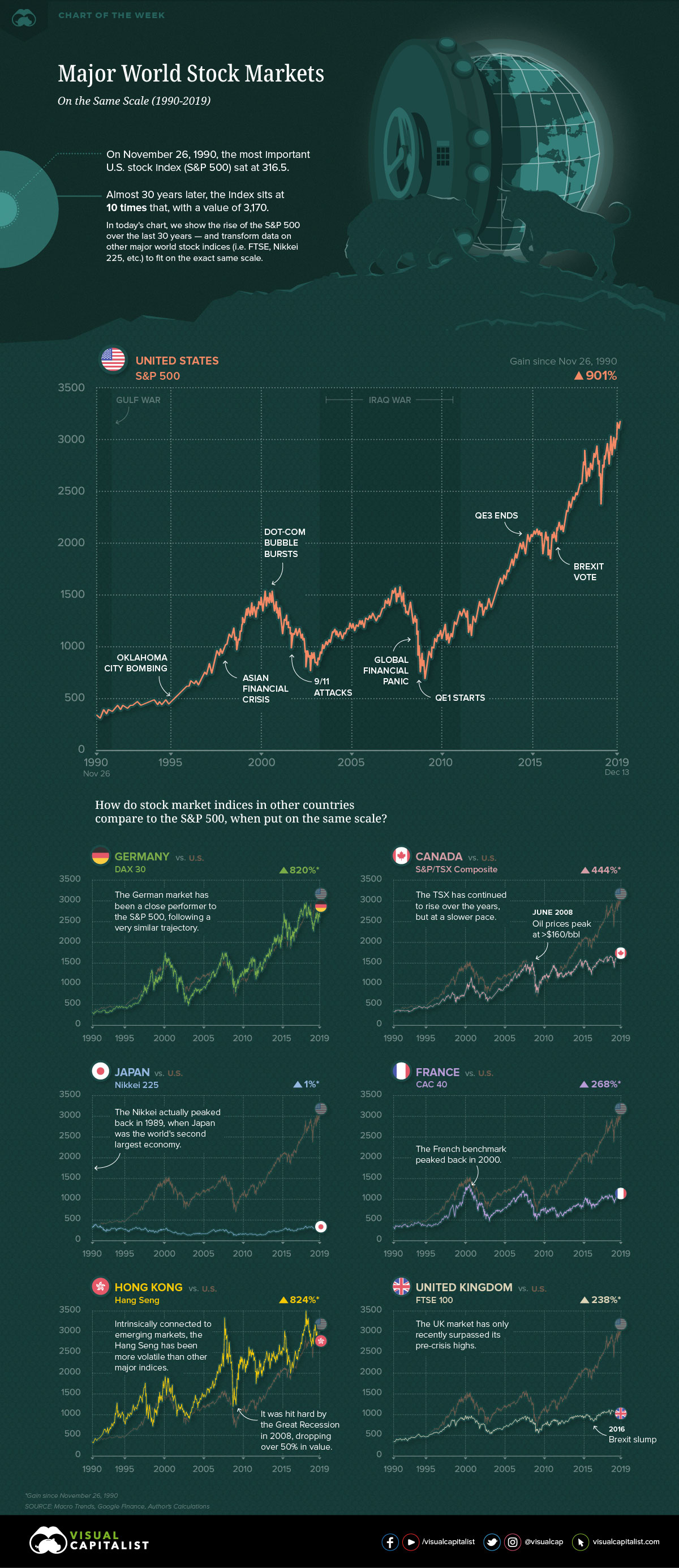

 Greenbackd